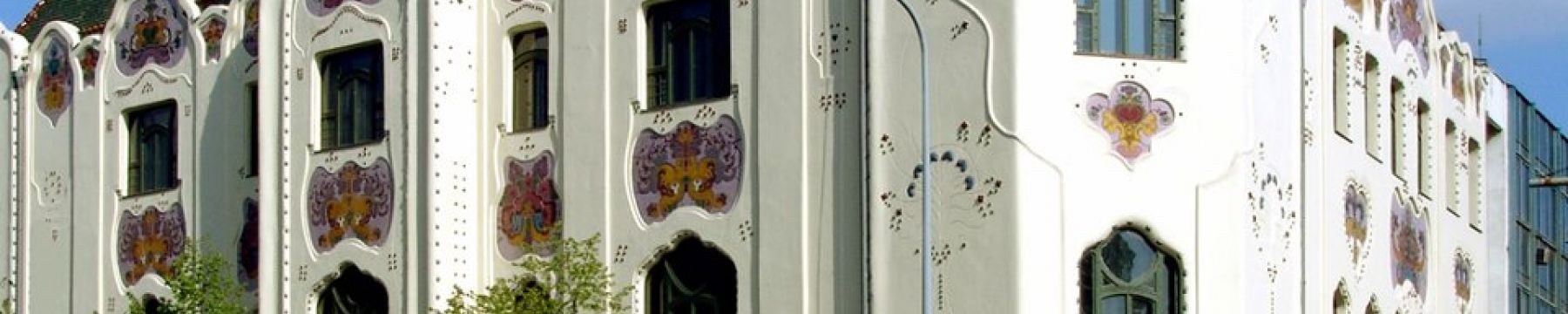
Town Hall
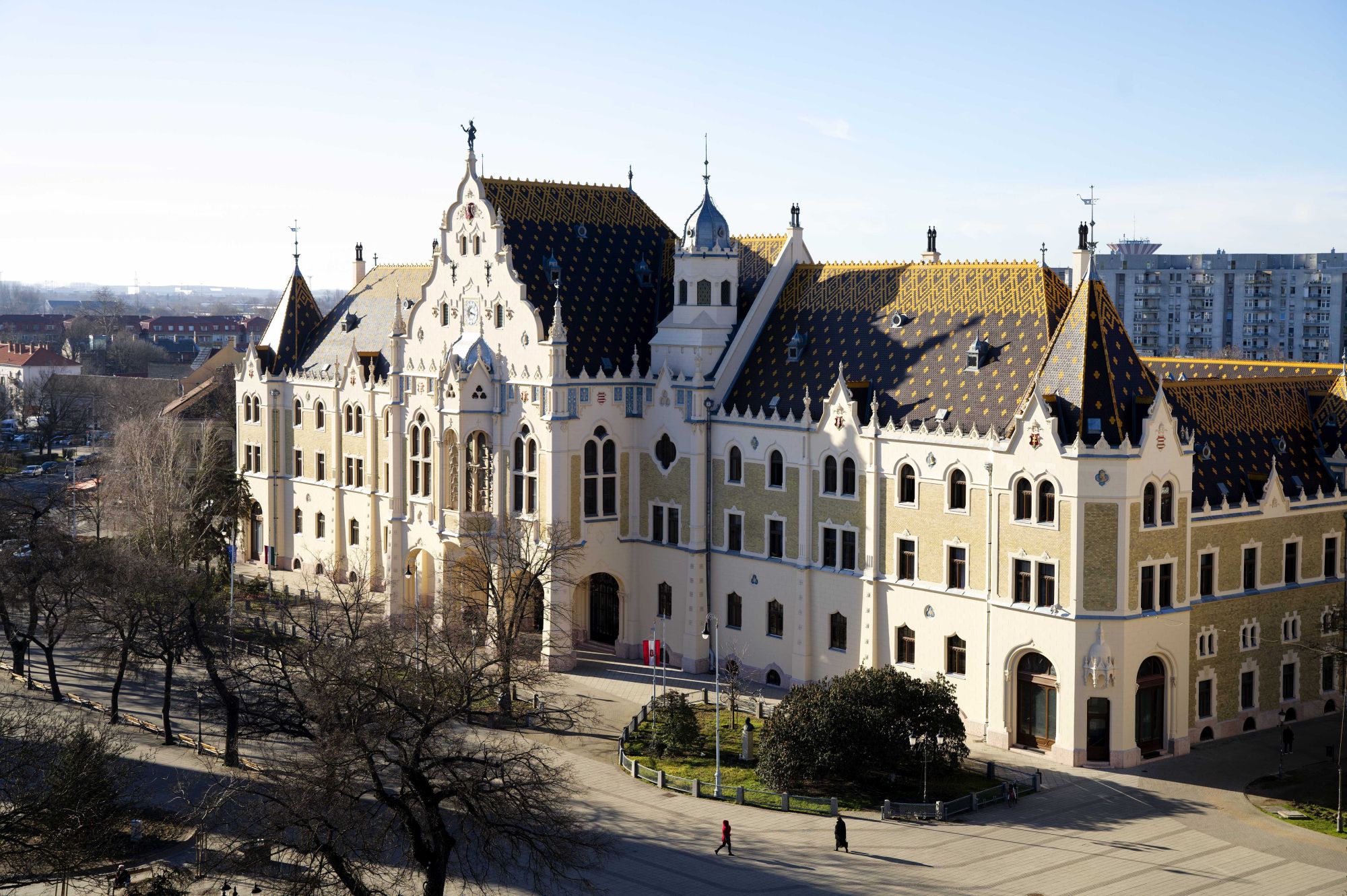
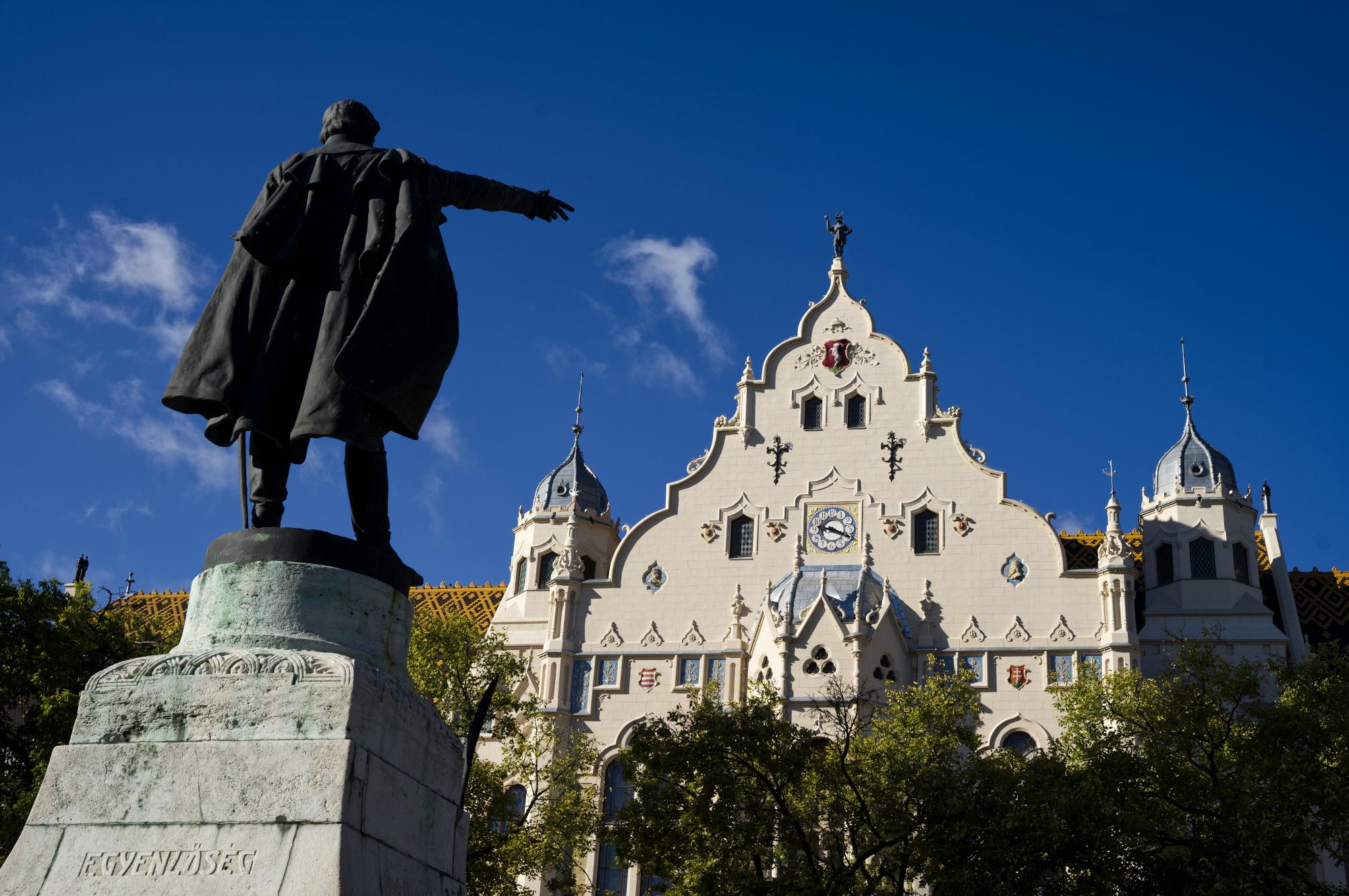
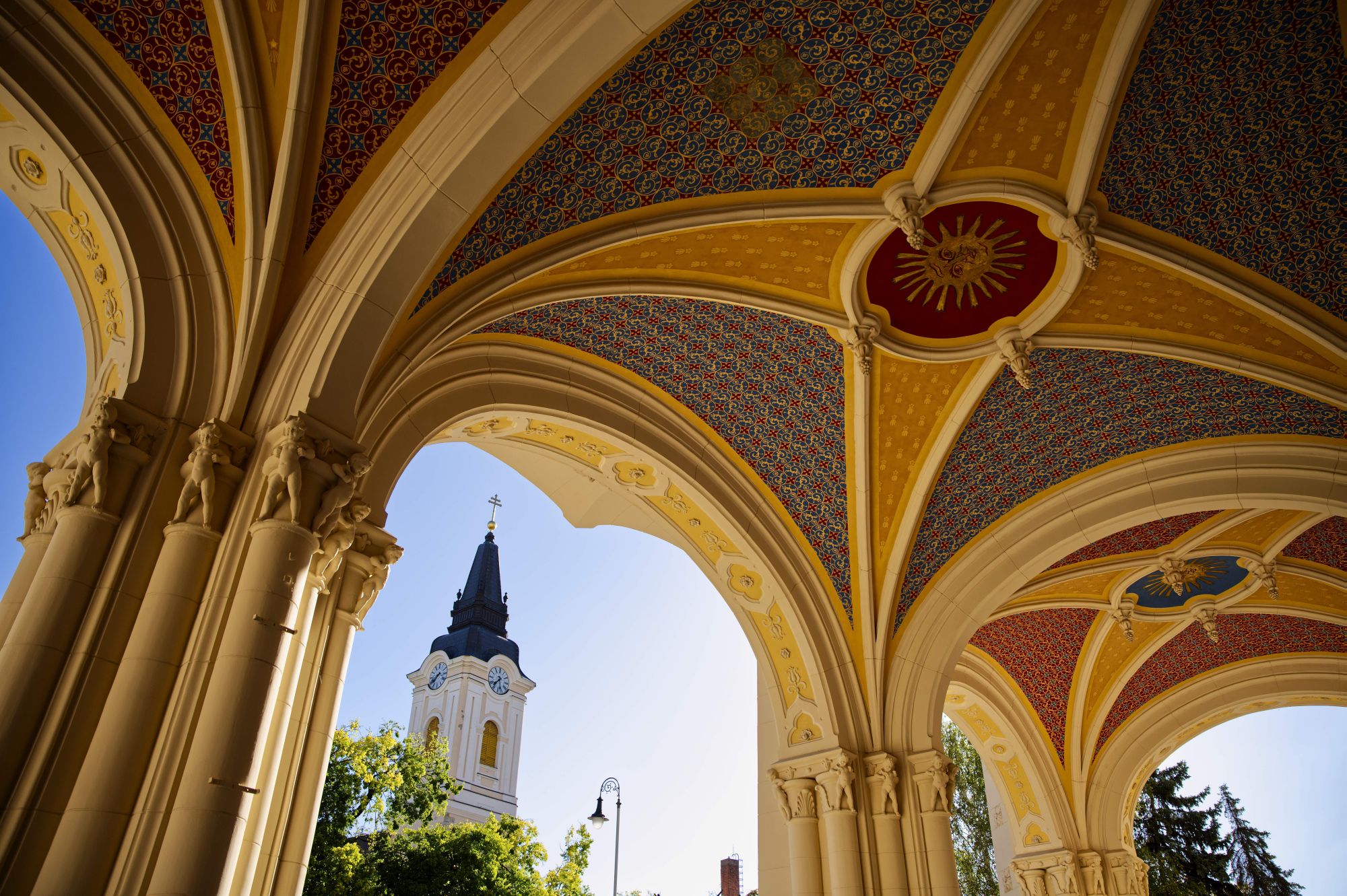
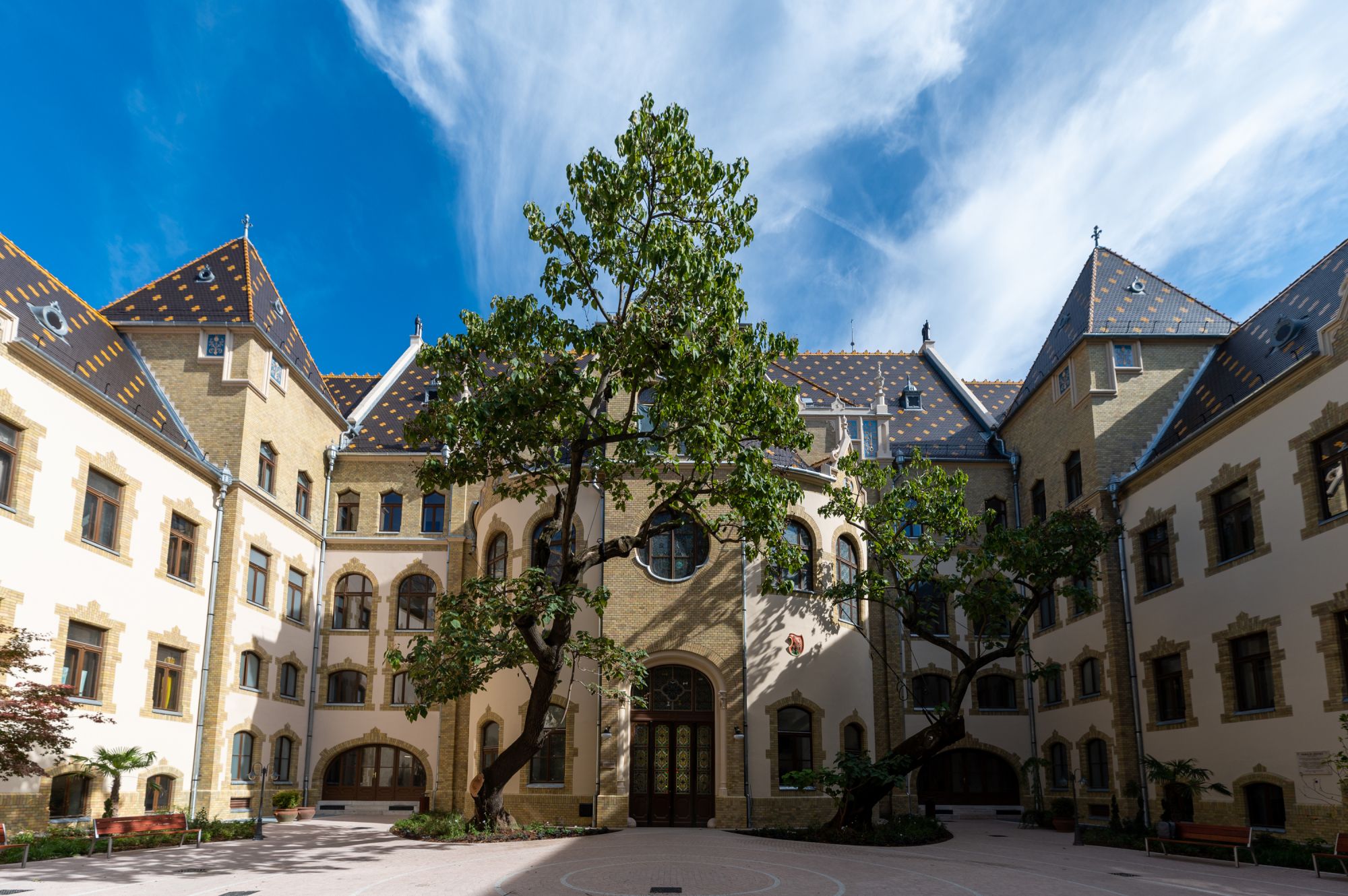
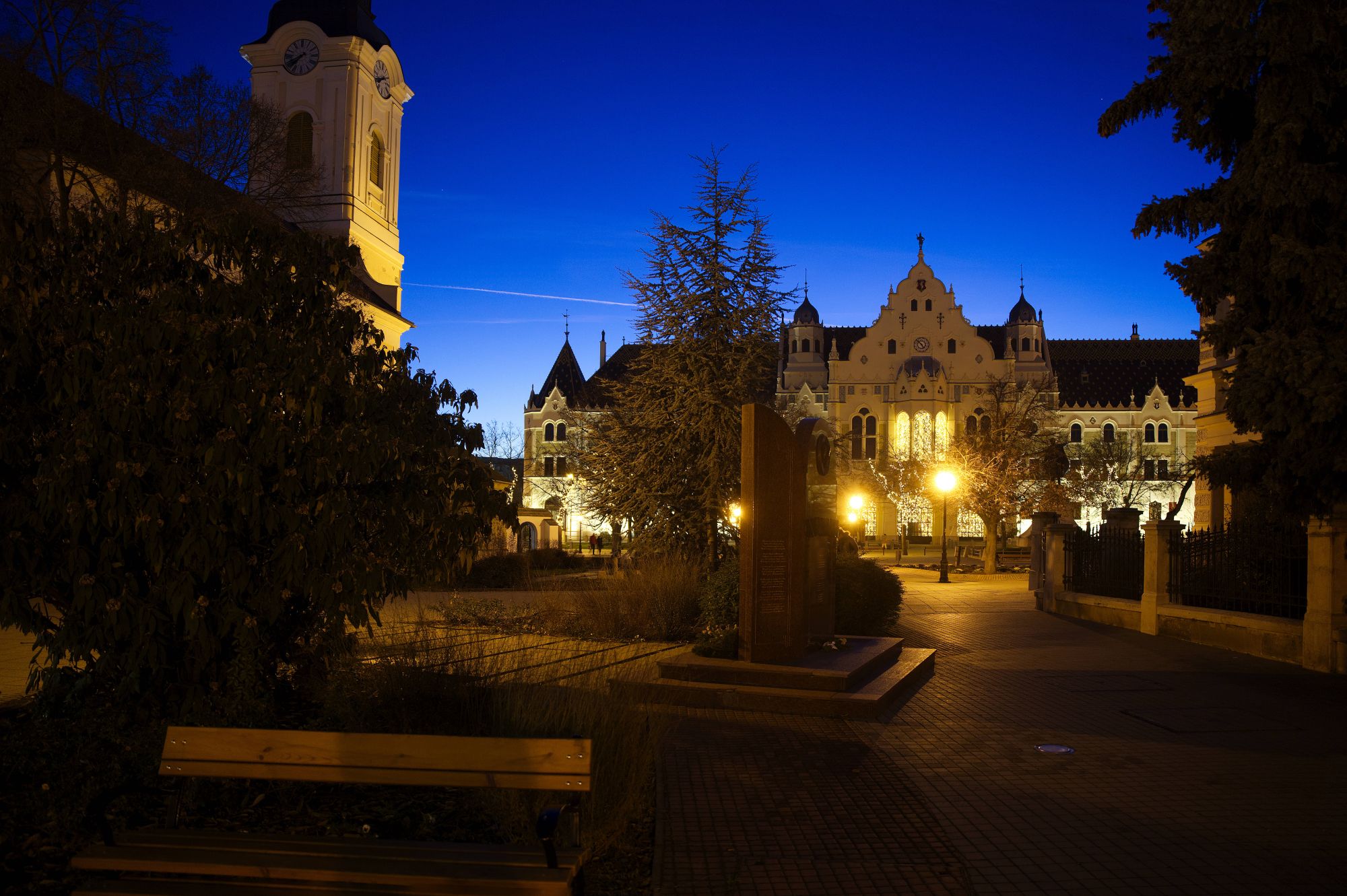
Kecskemét’s City Hall, often referred to as the "Fairy-Tale Palace", is one of Hungary’s finest examples of Art Nouveau architecture. Designed by the renowned architects Ödön Lechner and Gyula Pártos, the building was constructed between 1893 and 1897. Their winning tender bore the inspiring motto, "Neither Height nor Depth Shall Deter Us," reflecting the spirit of the city.
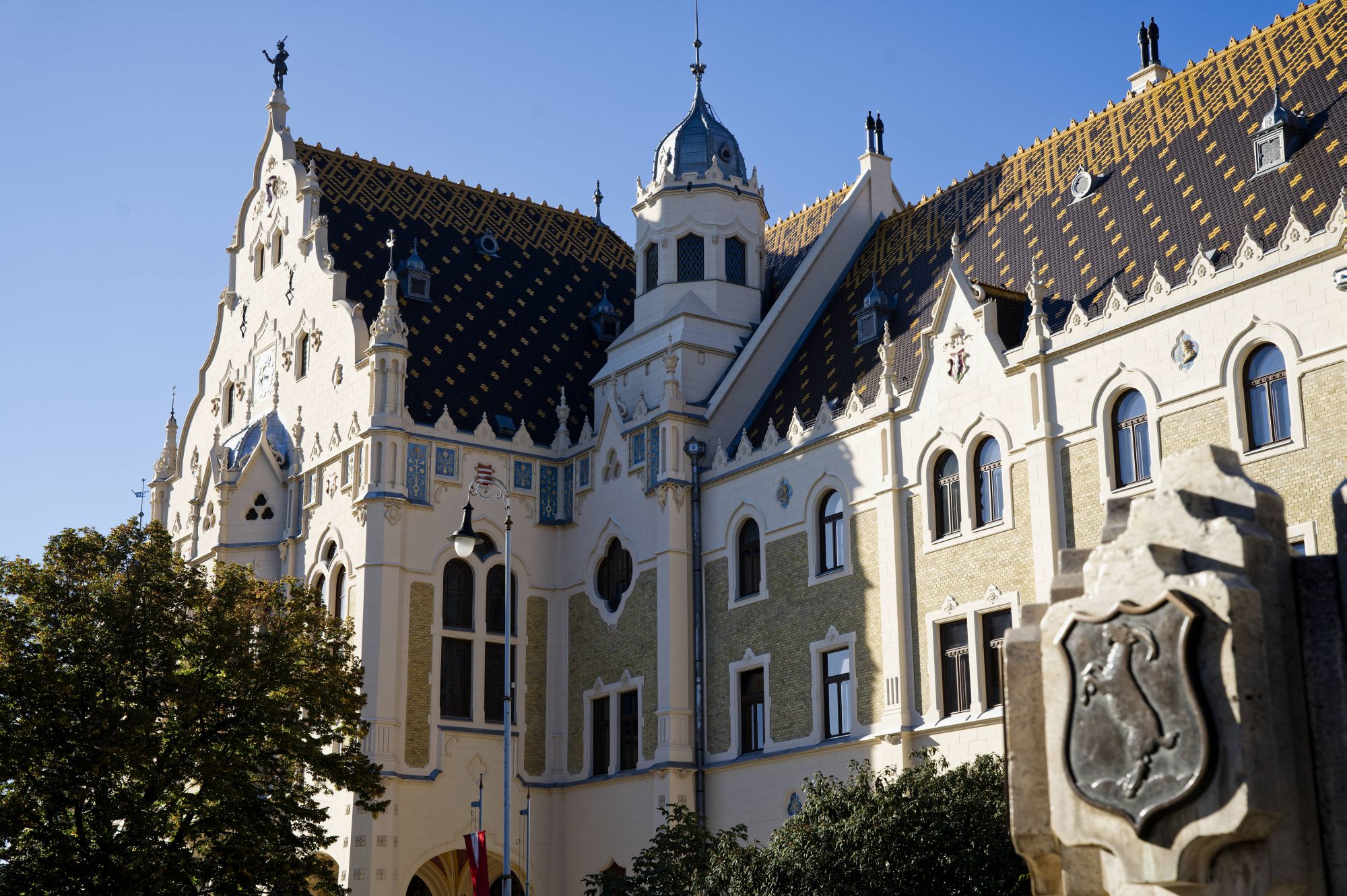
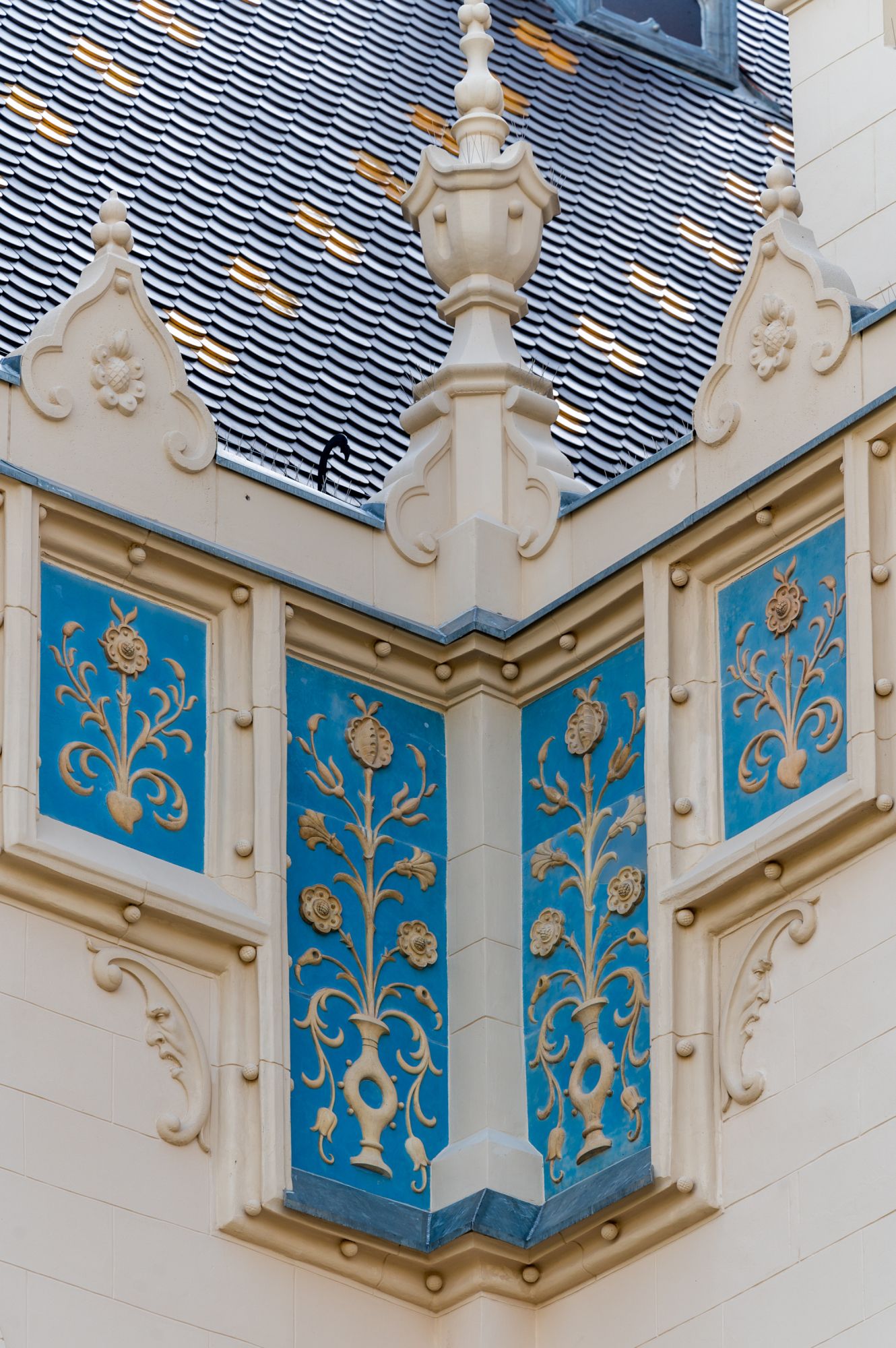
Dominating the Main Square of the "Famous Town" (Hírös Város), the impressive building blends several architectural influences, including the French Renaissance, contemporary English architecture, the Renaissance style of Upper Hungary, and the distinctive Hungarian Art Nouveau style pioneered by Lechner.
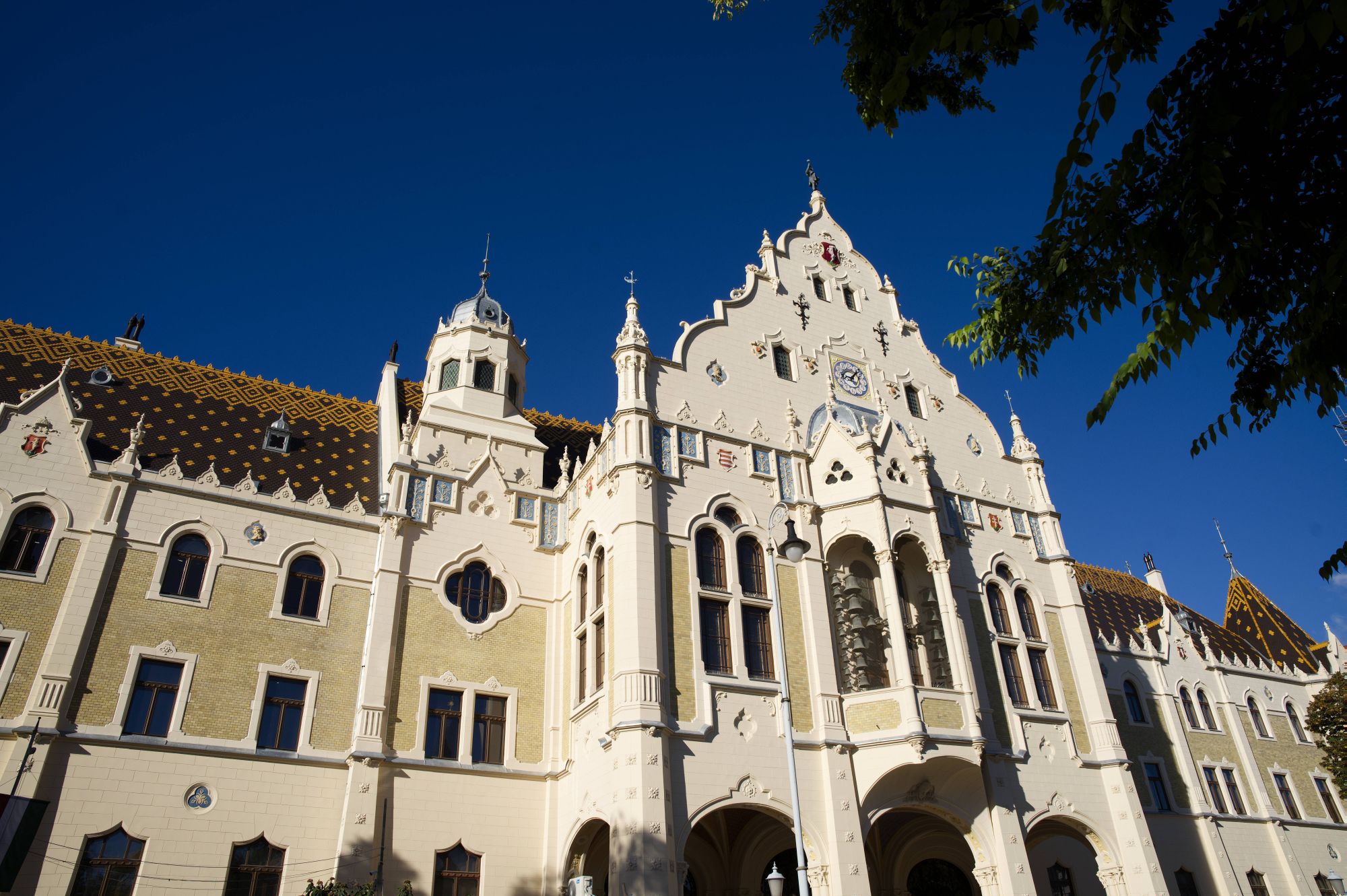
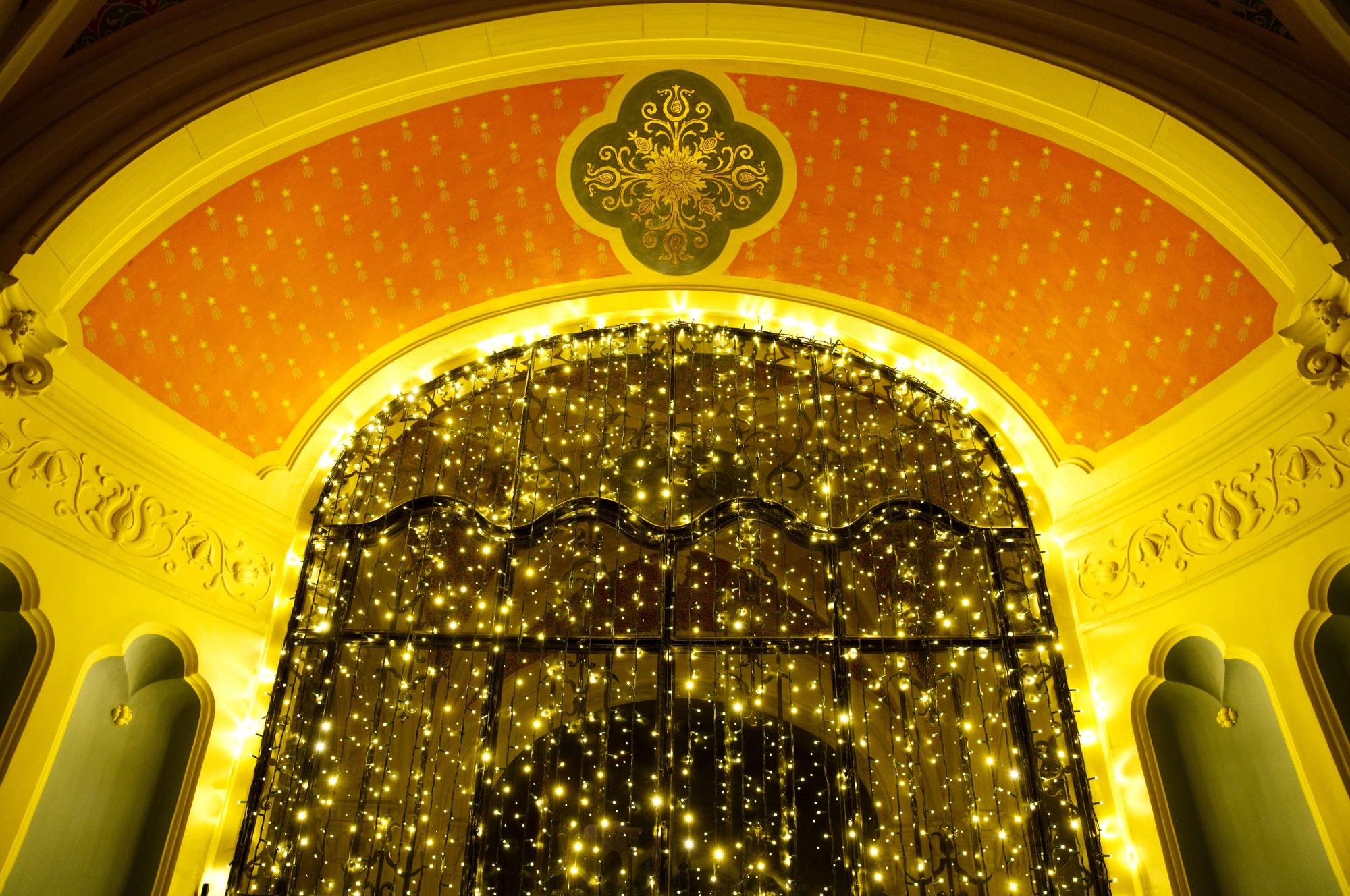
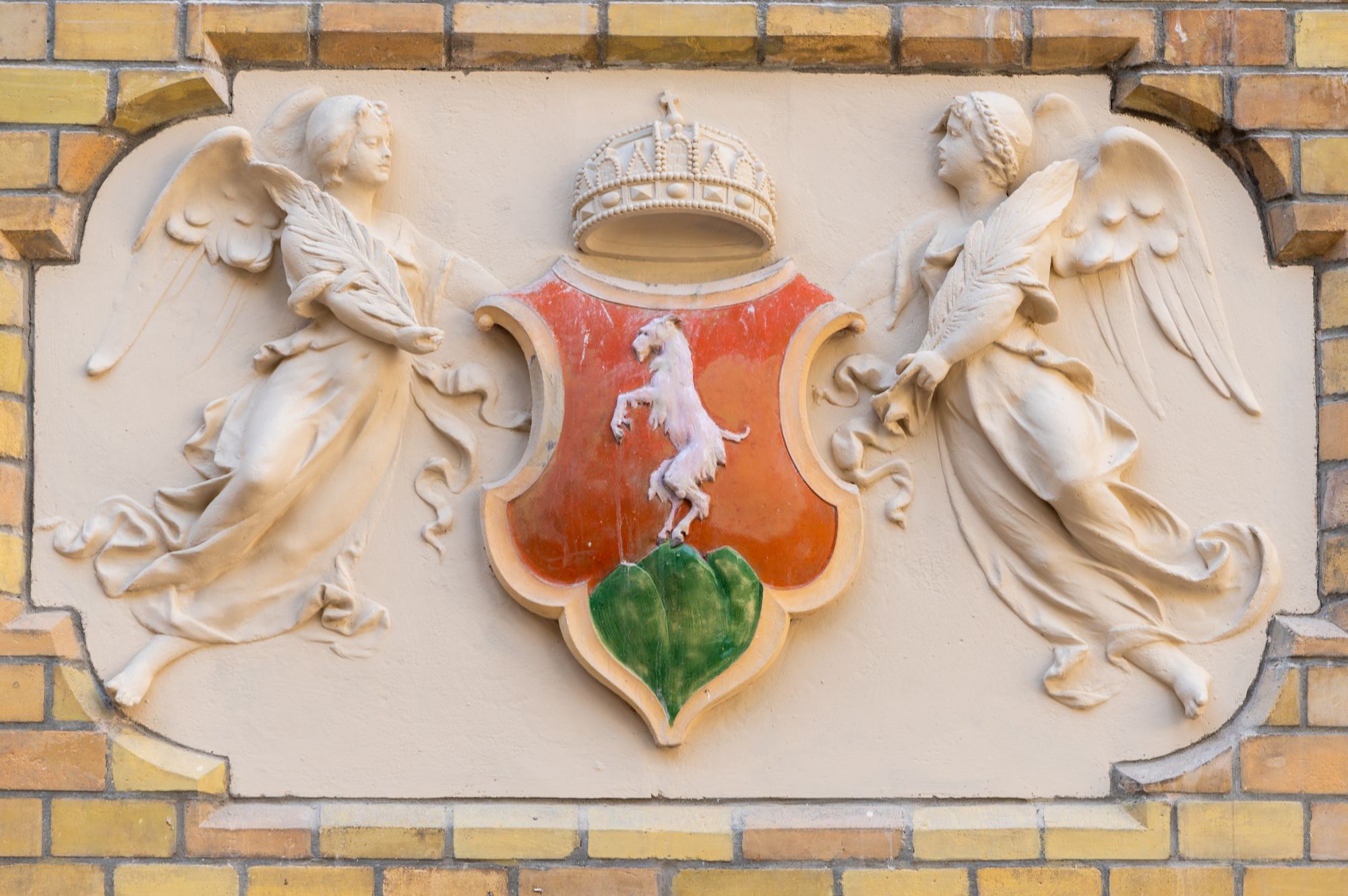
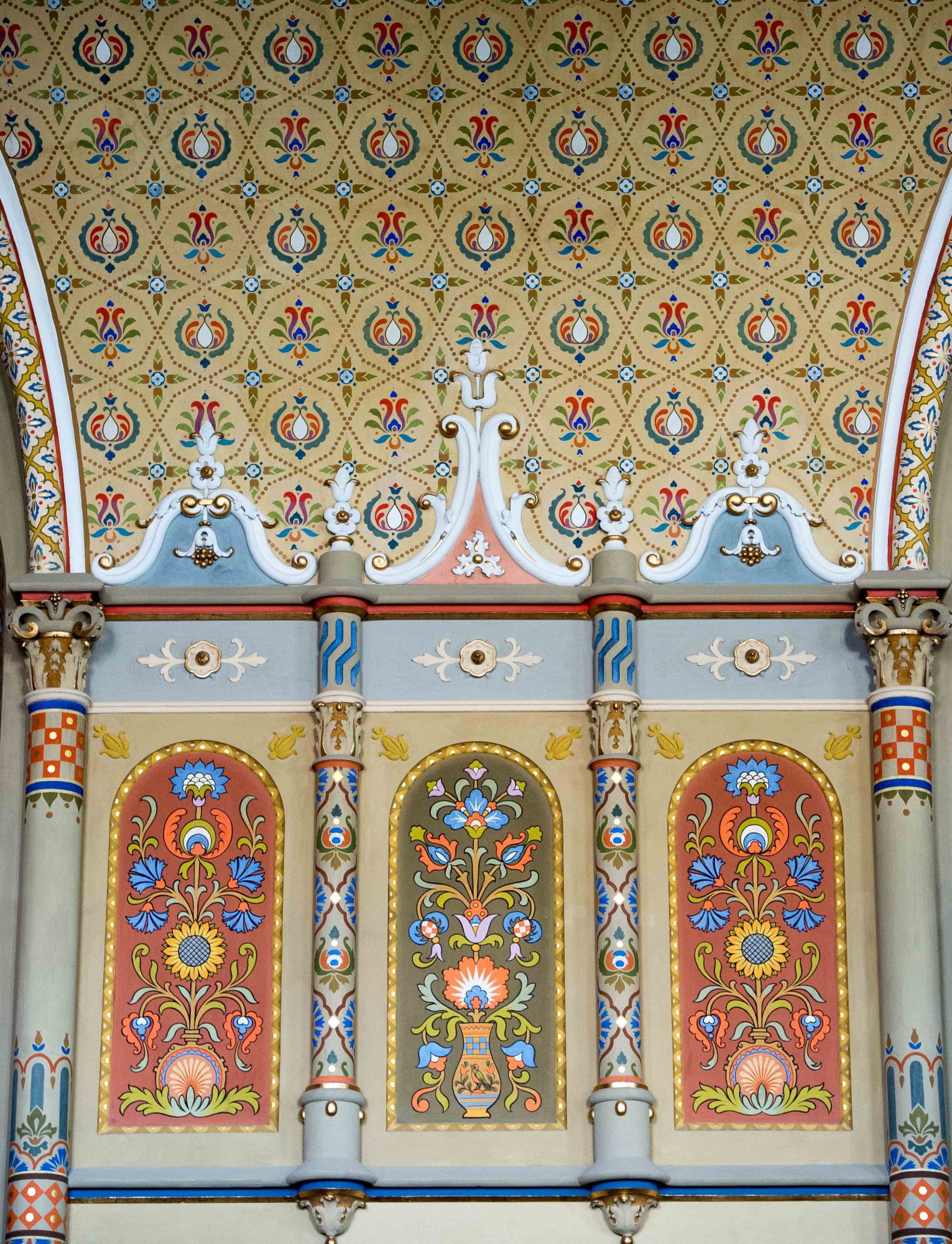
The rich decorative details were inspired by the treasures of Hungarian folk art. The architects made extensive use of architectural ceramics, selecting only the finest materials. The colourful roof tiles, majolica ornaments and pyrogranite decorative elements were all produced by the world-famous Zsolnay Porcelain Manufactory.
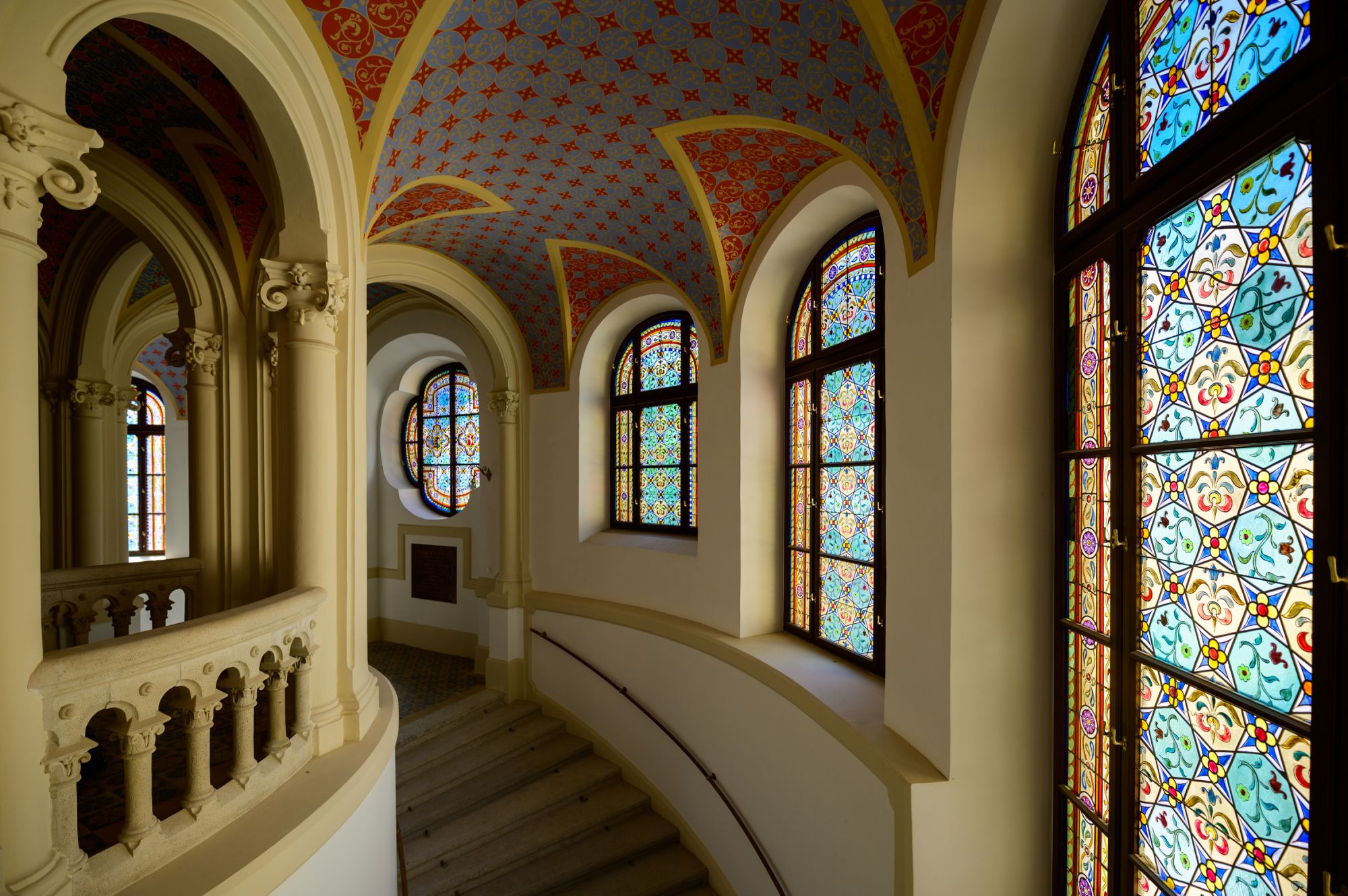
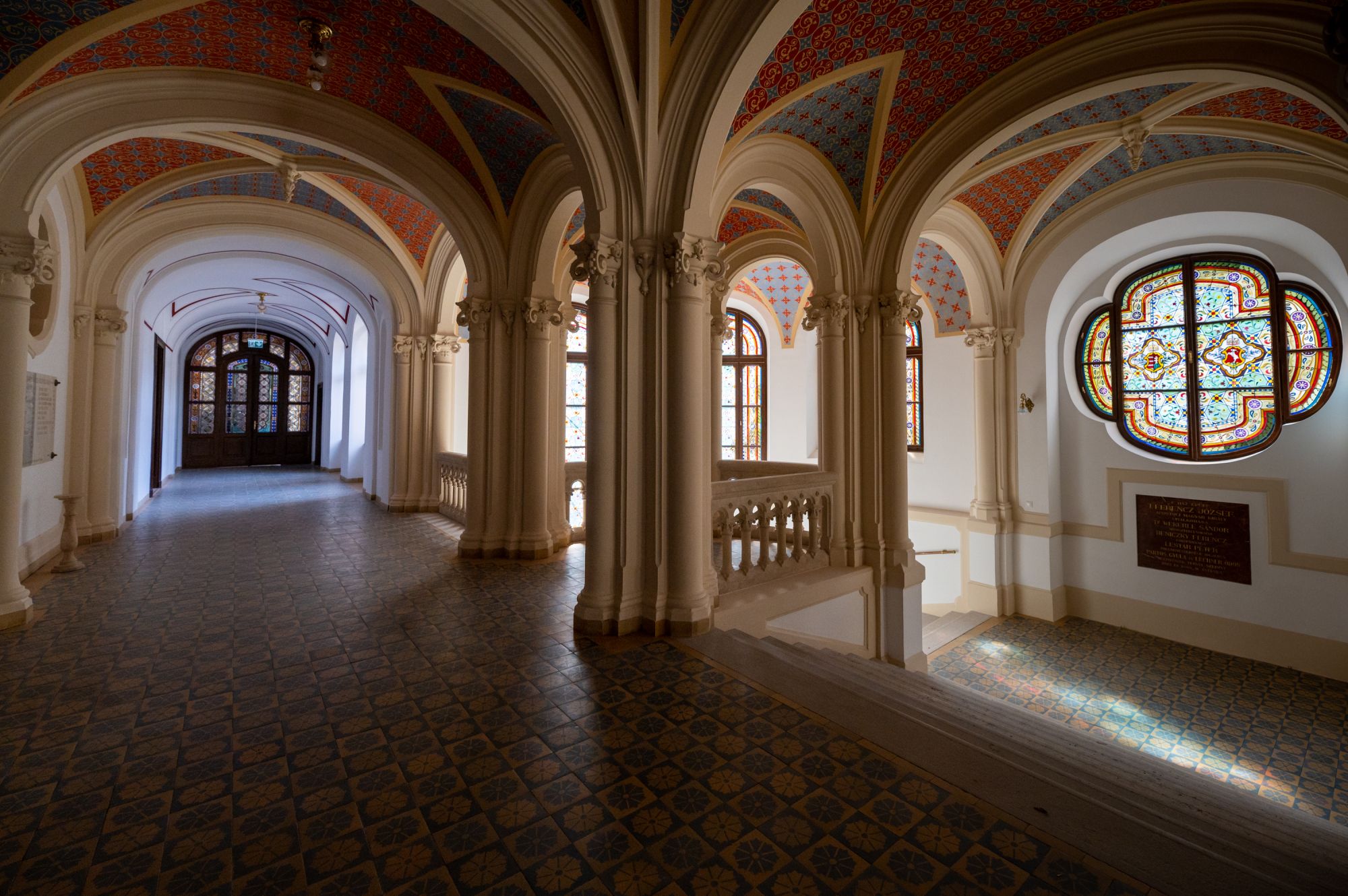
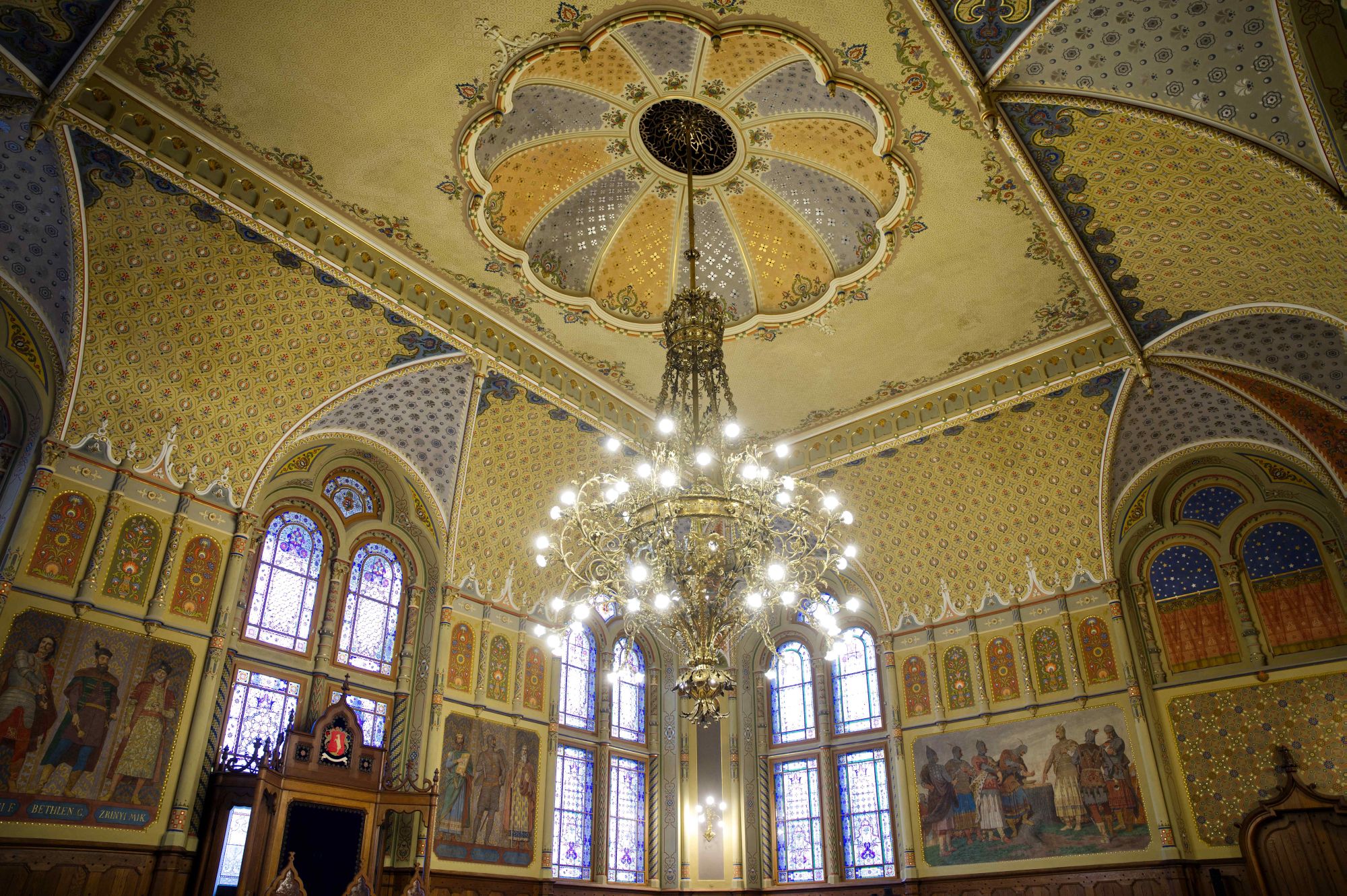
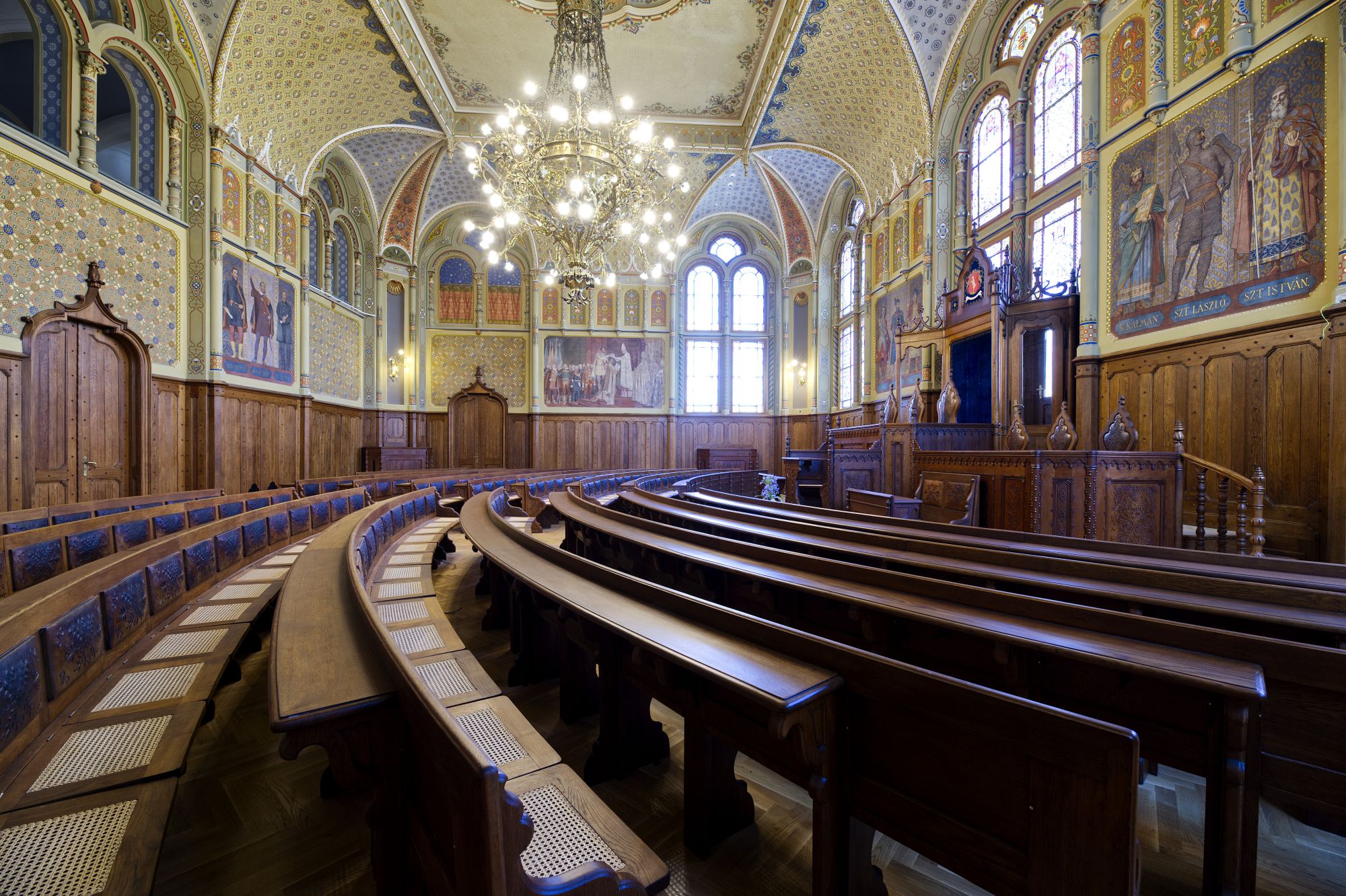
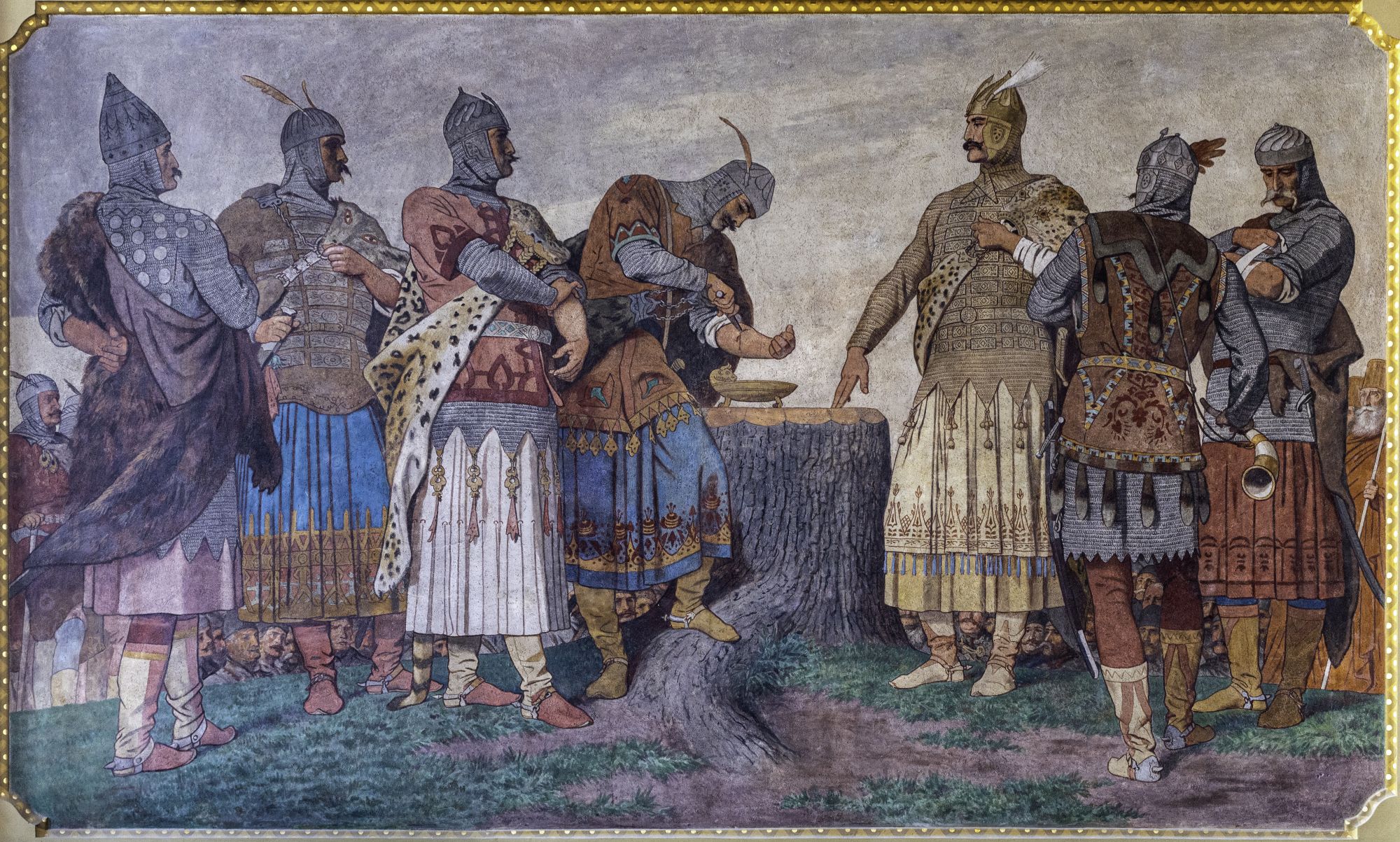
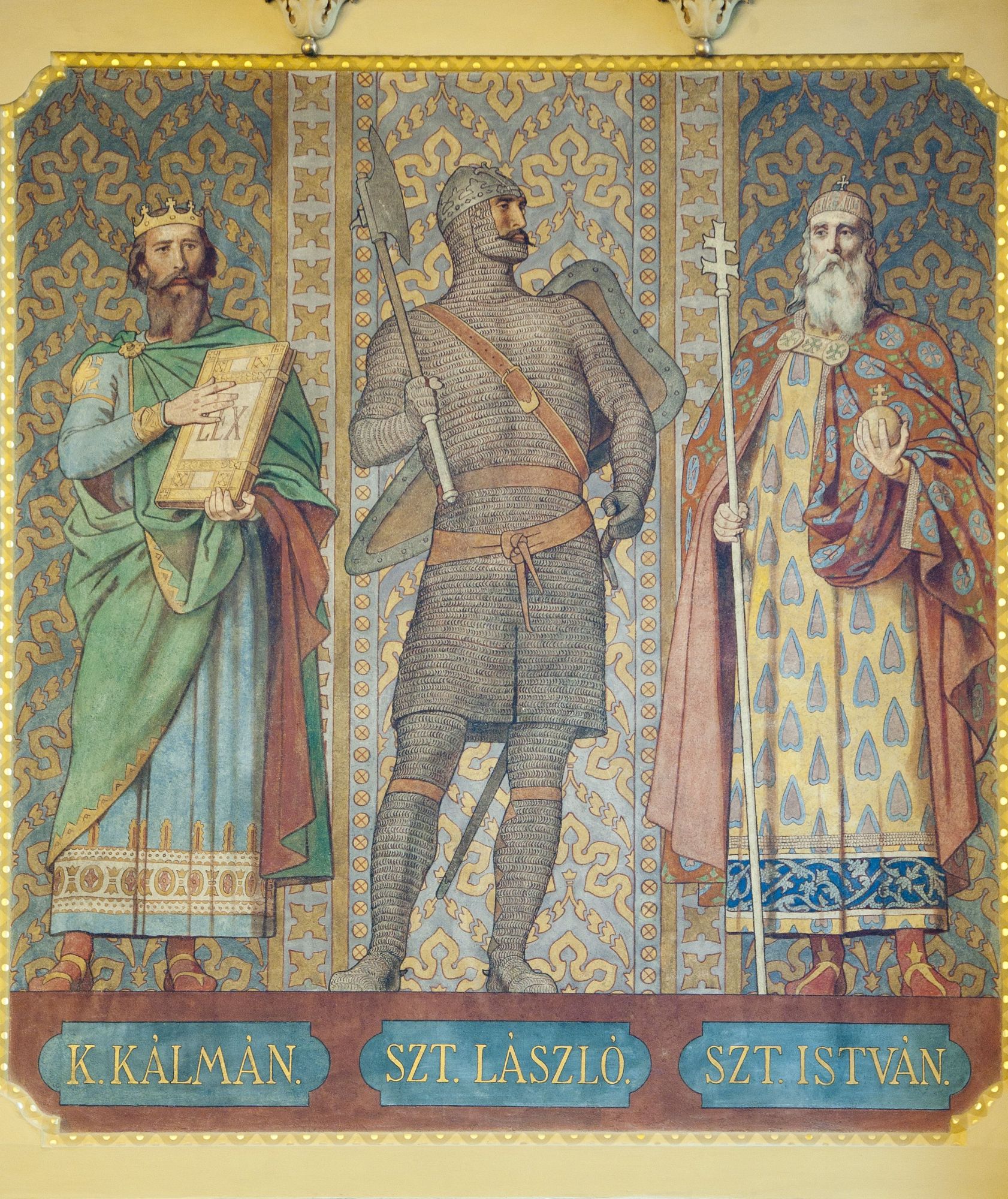
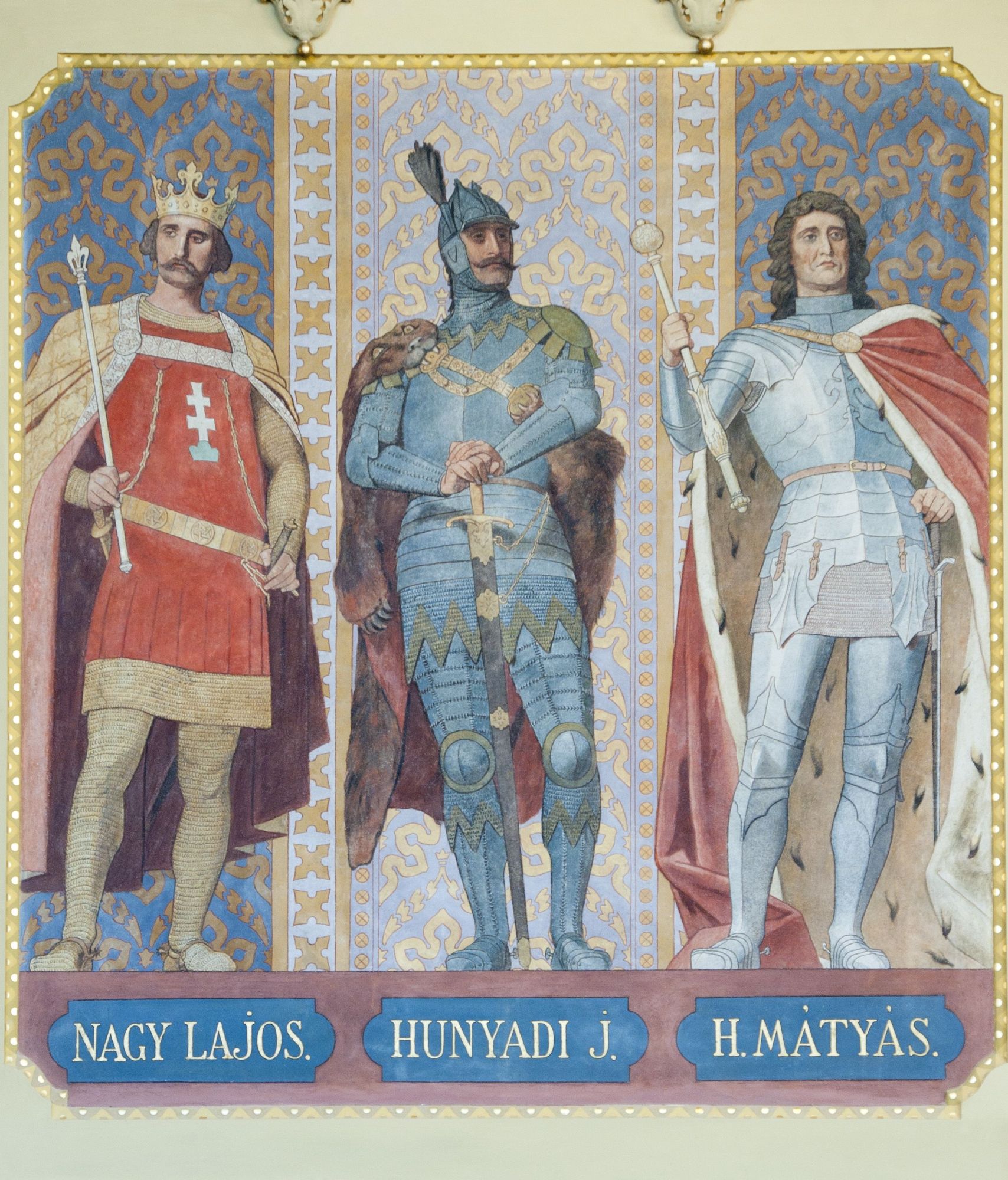
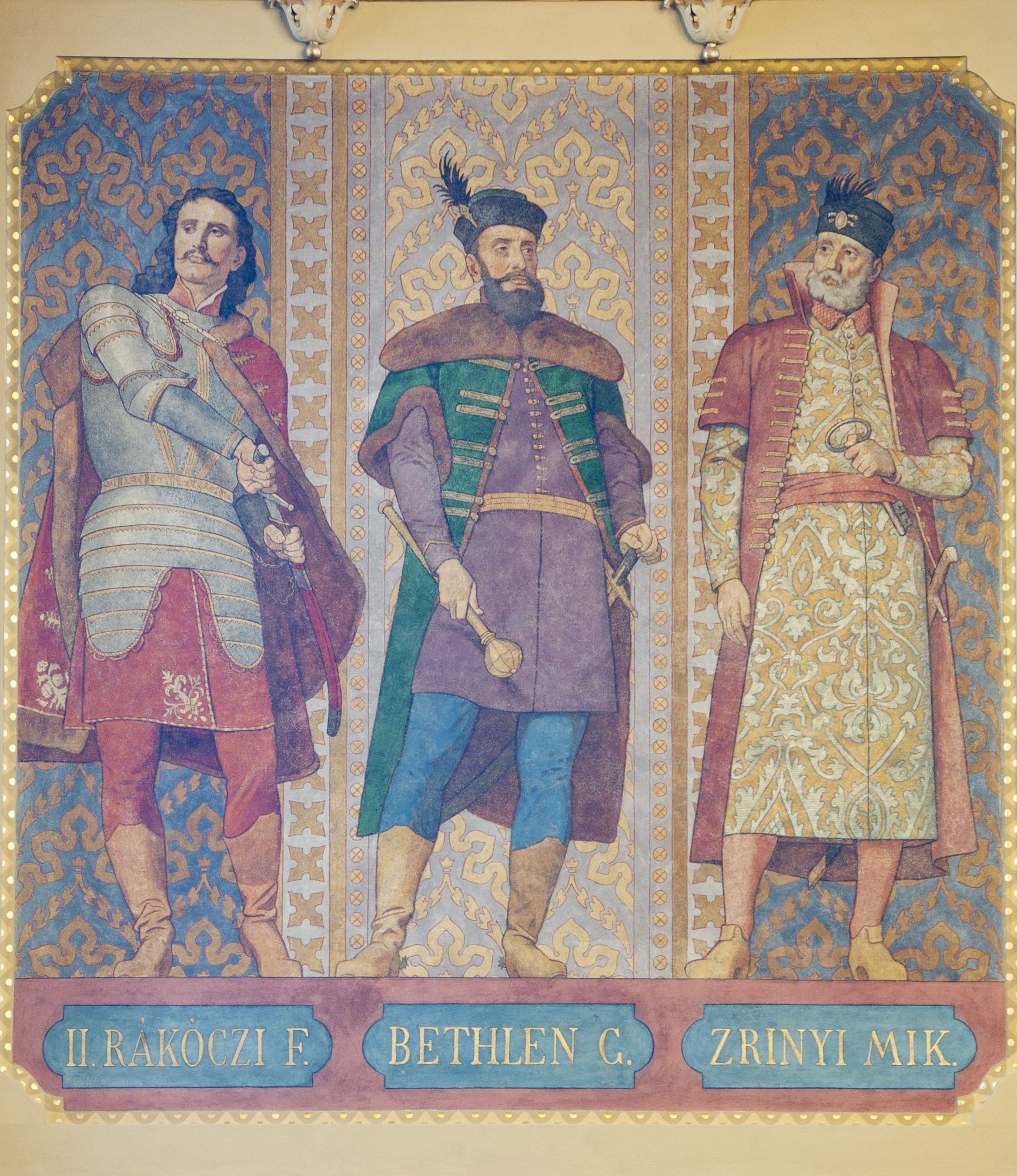
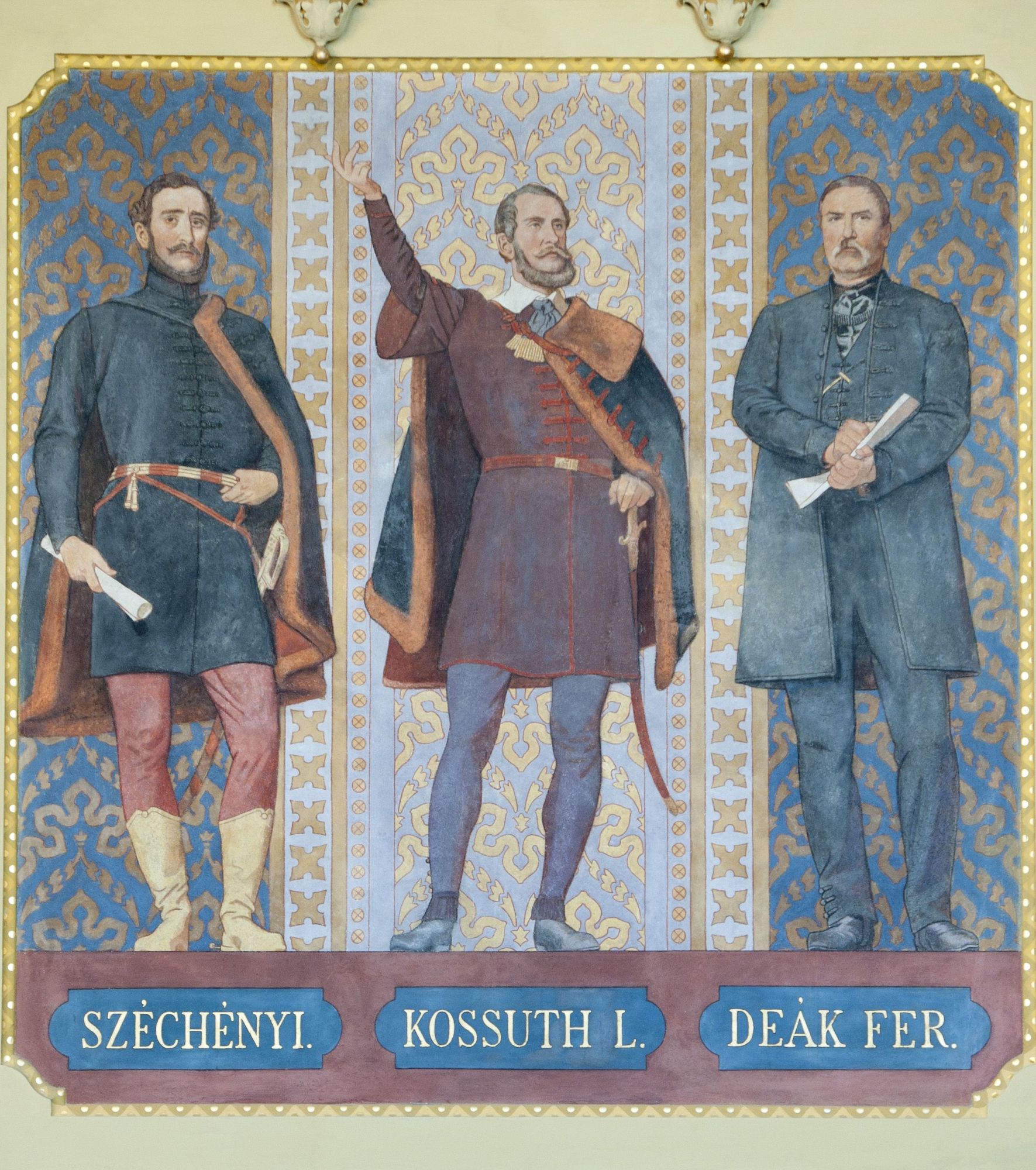
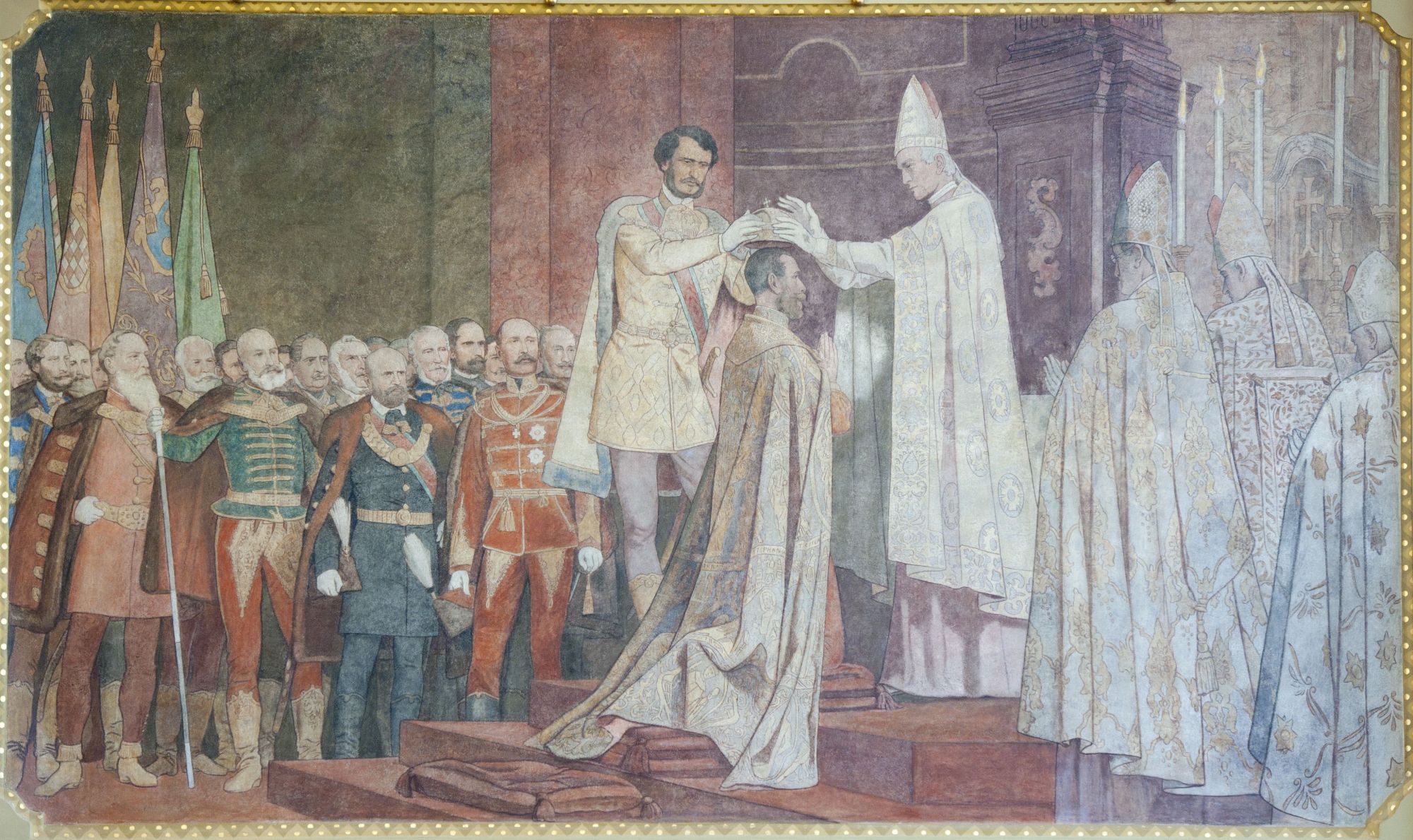
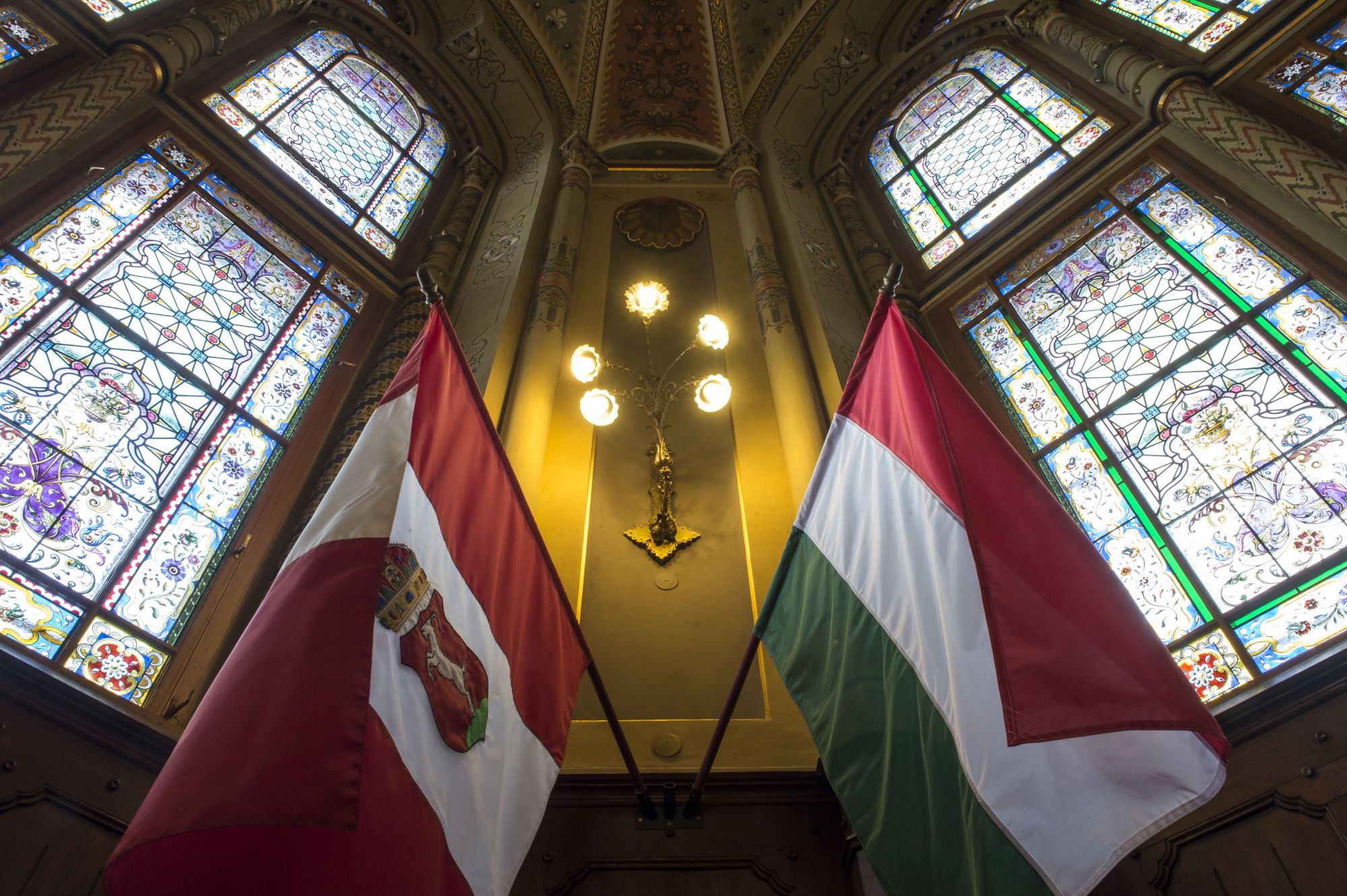
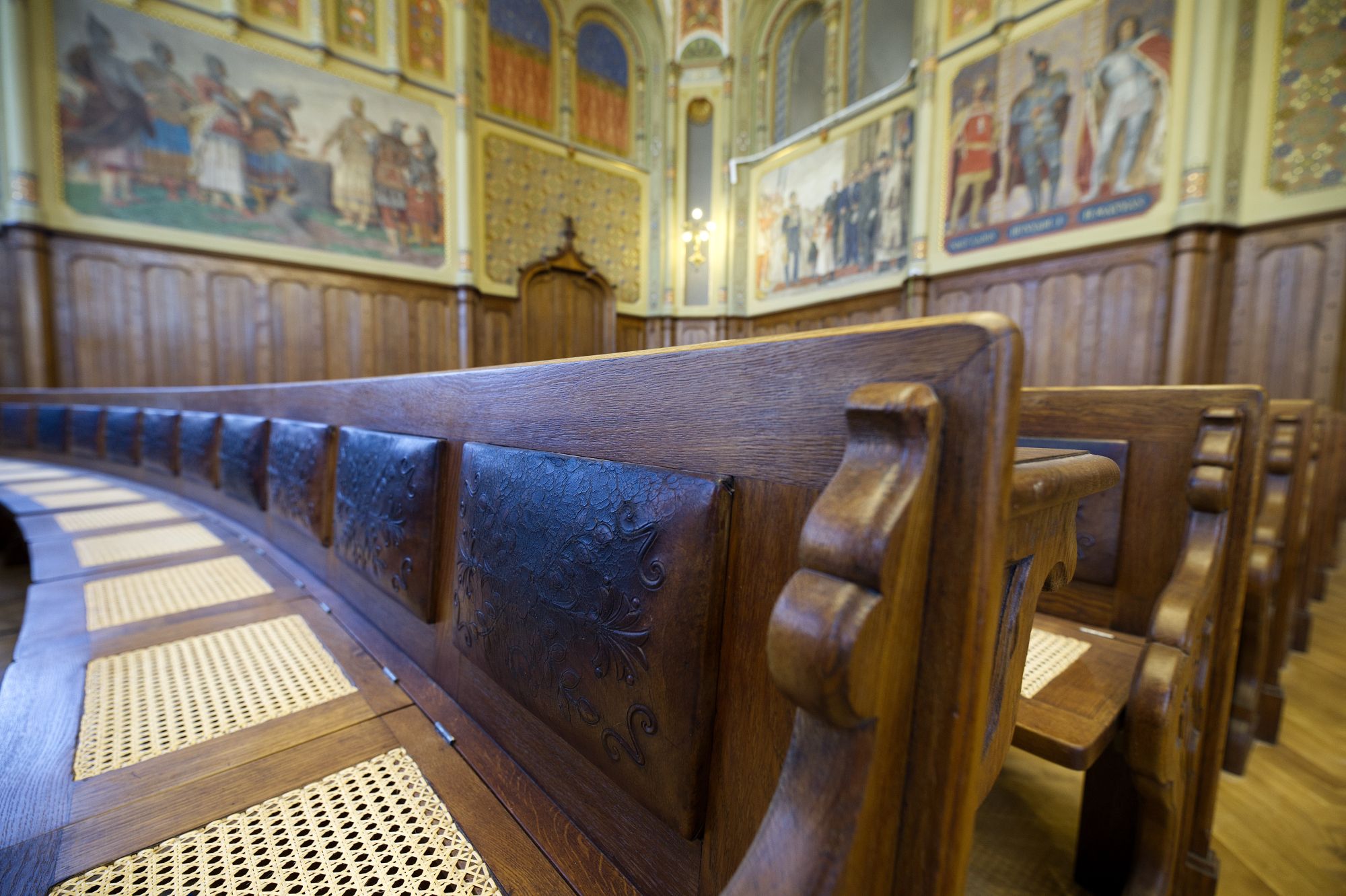
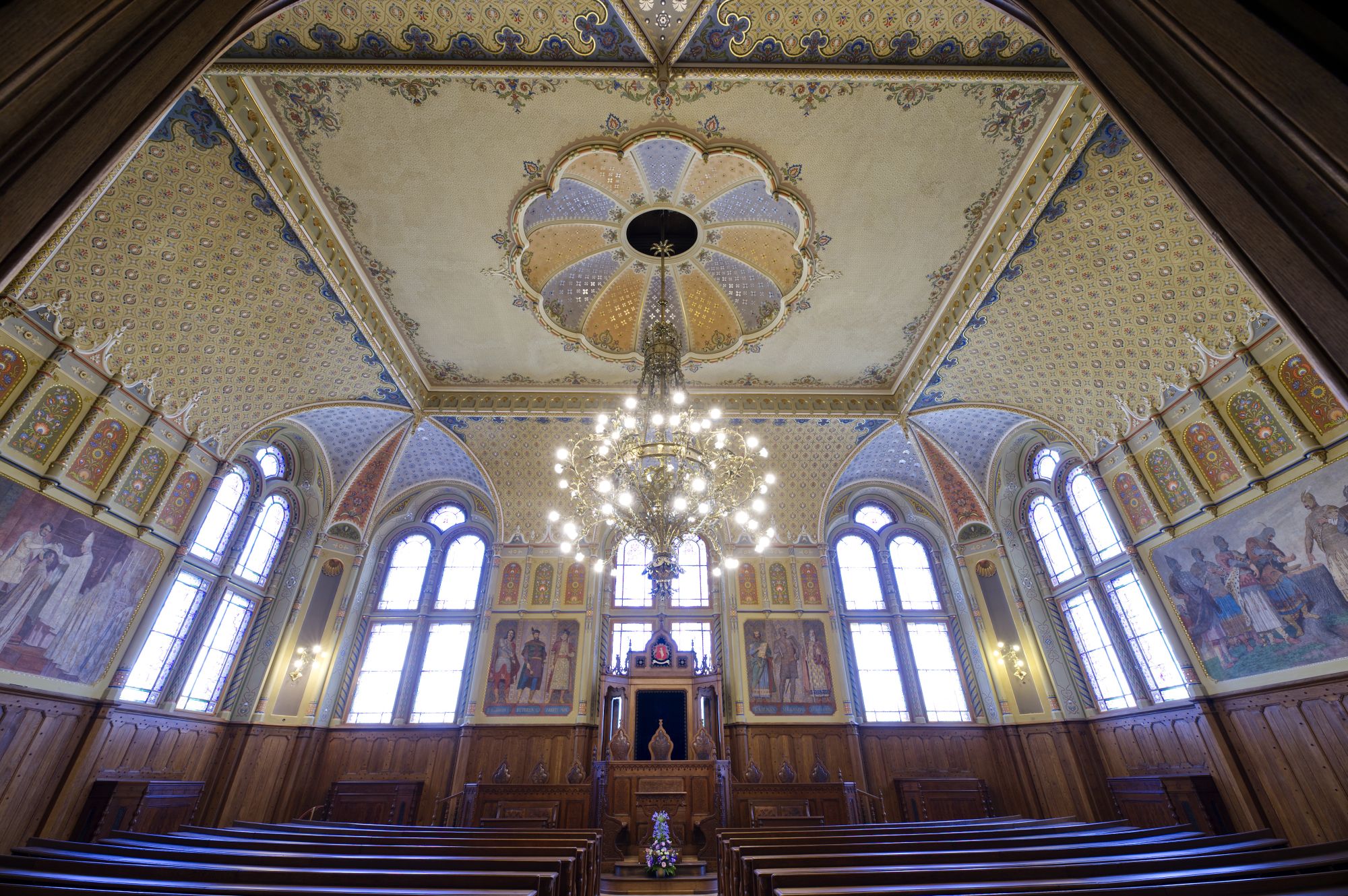
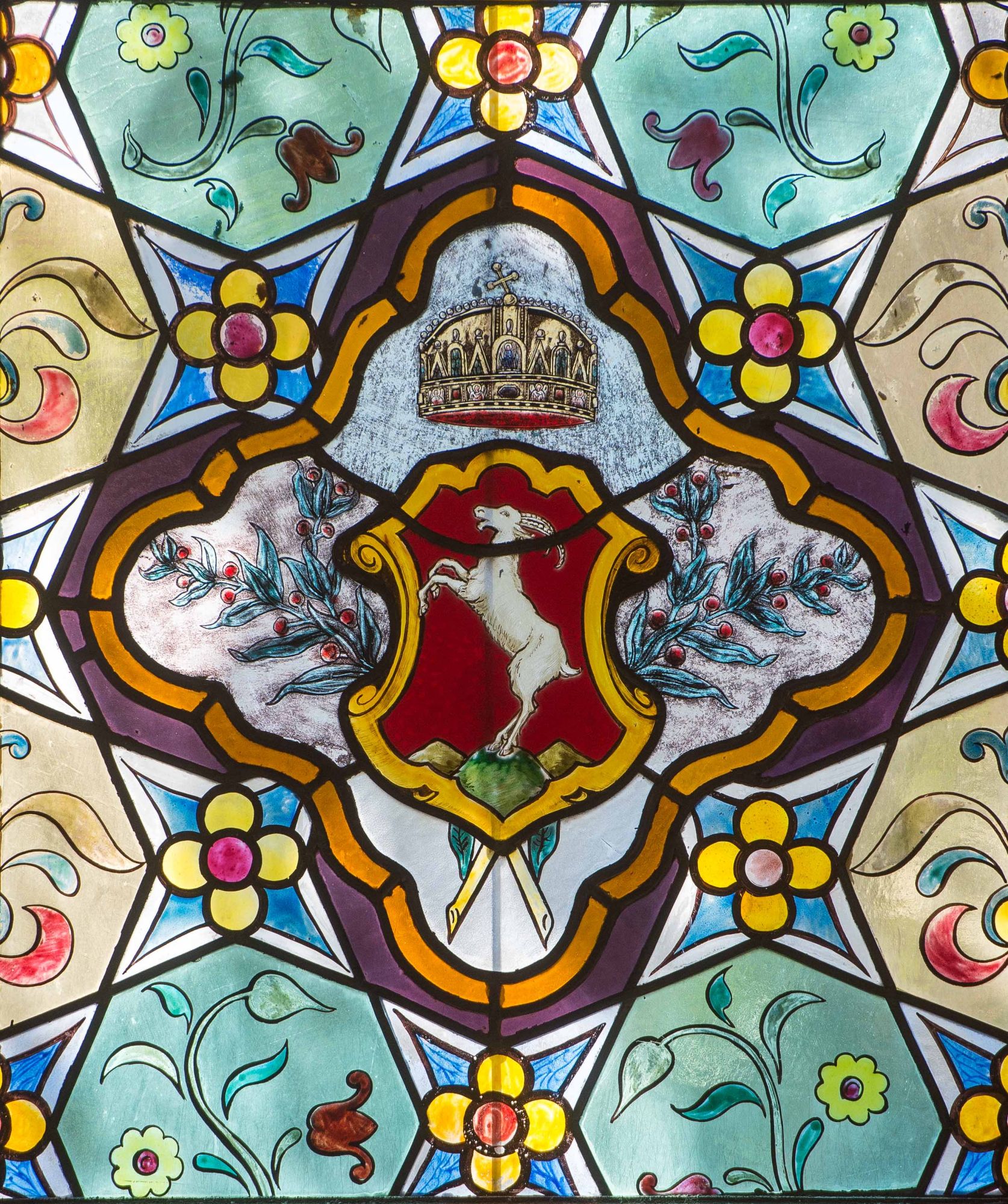
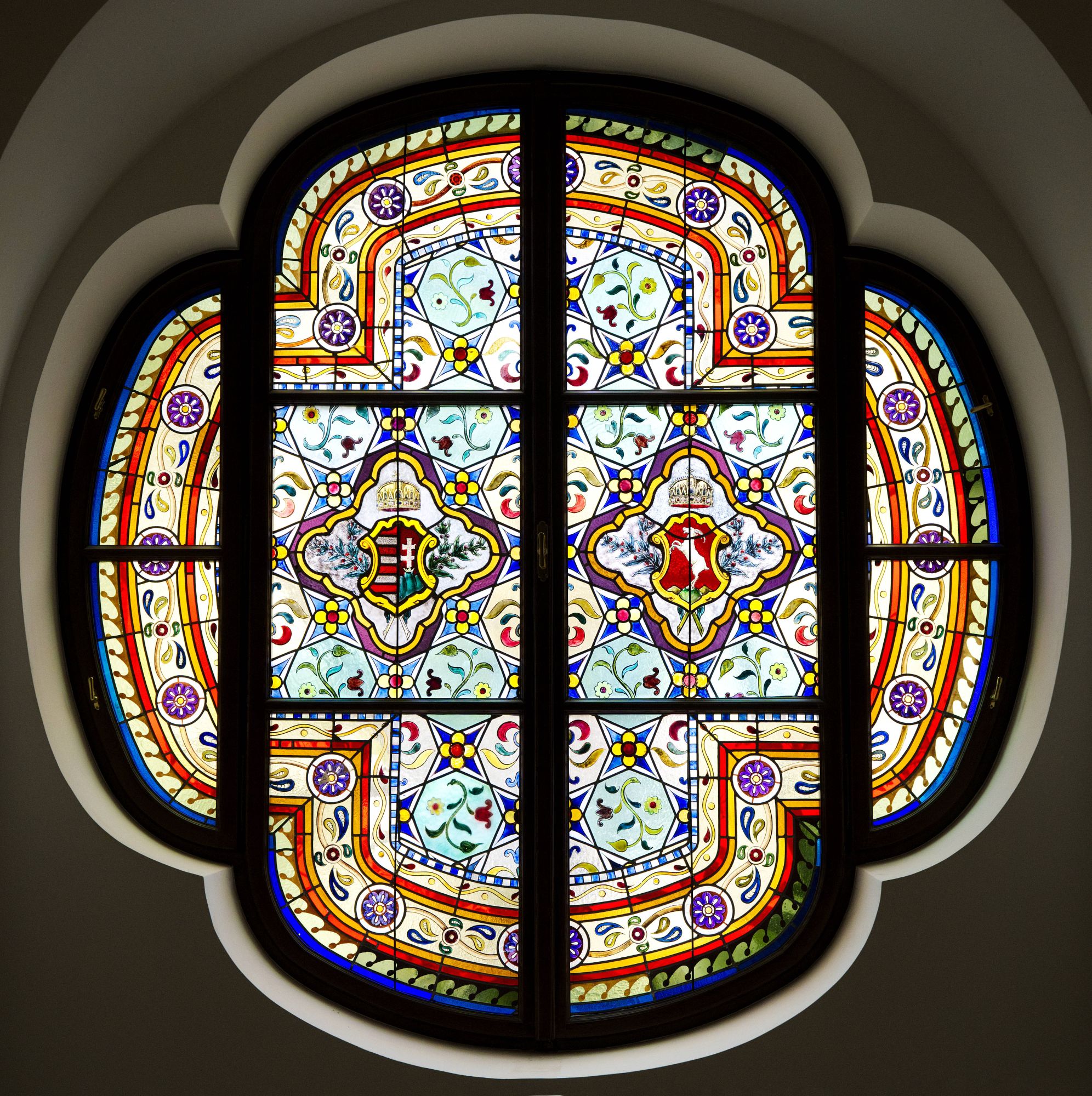
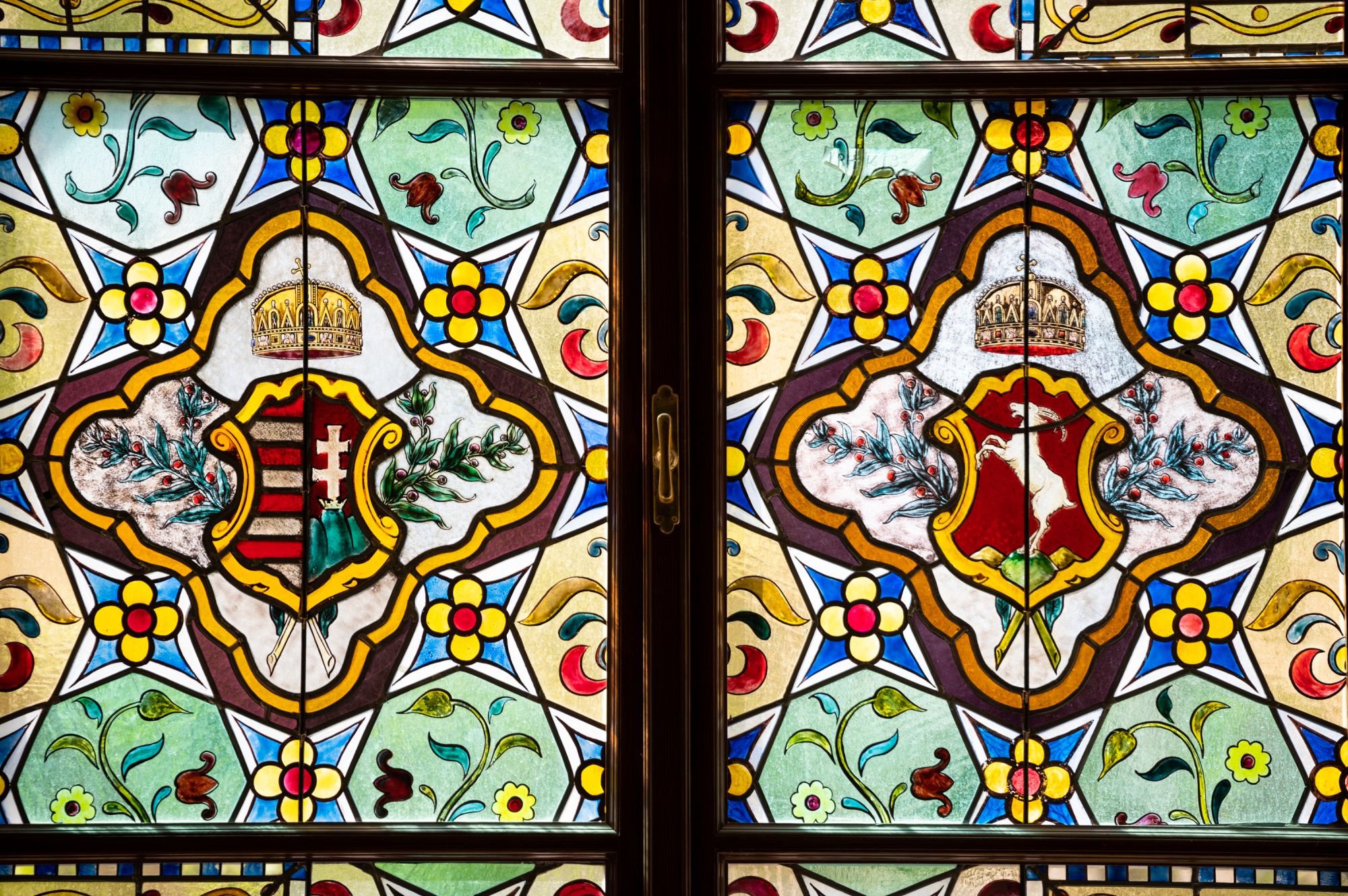
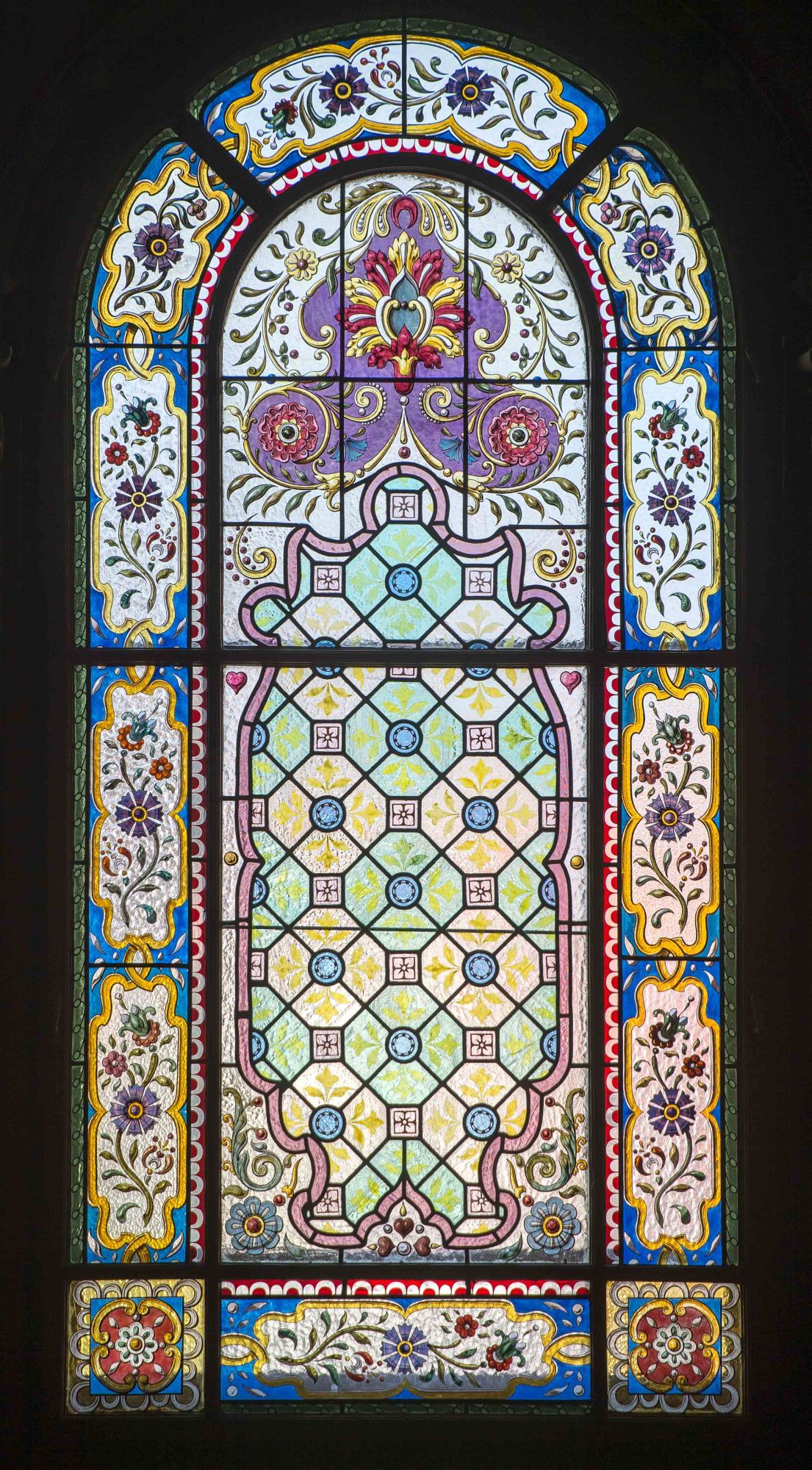
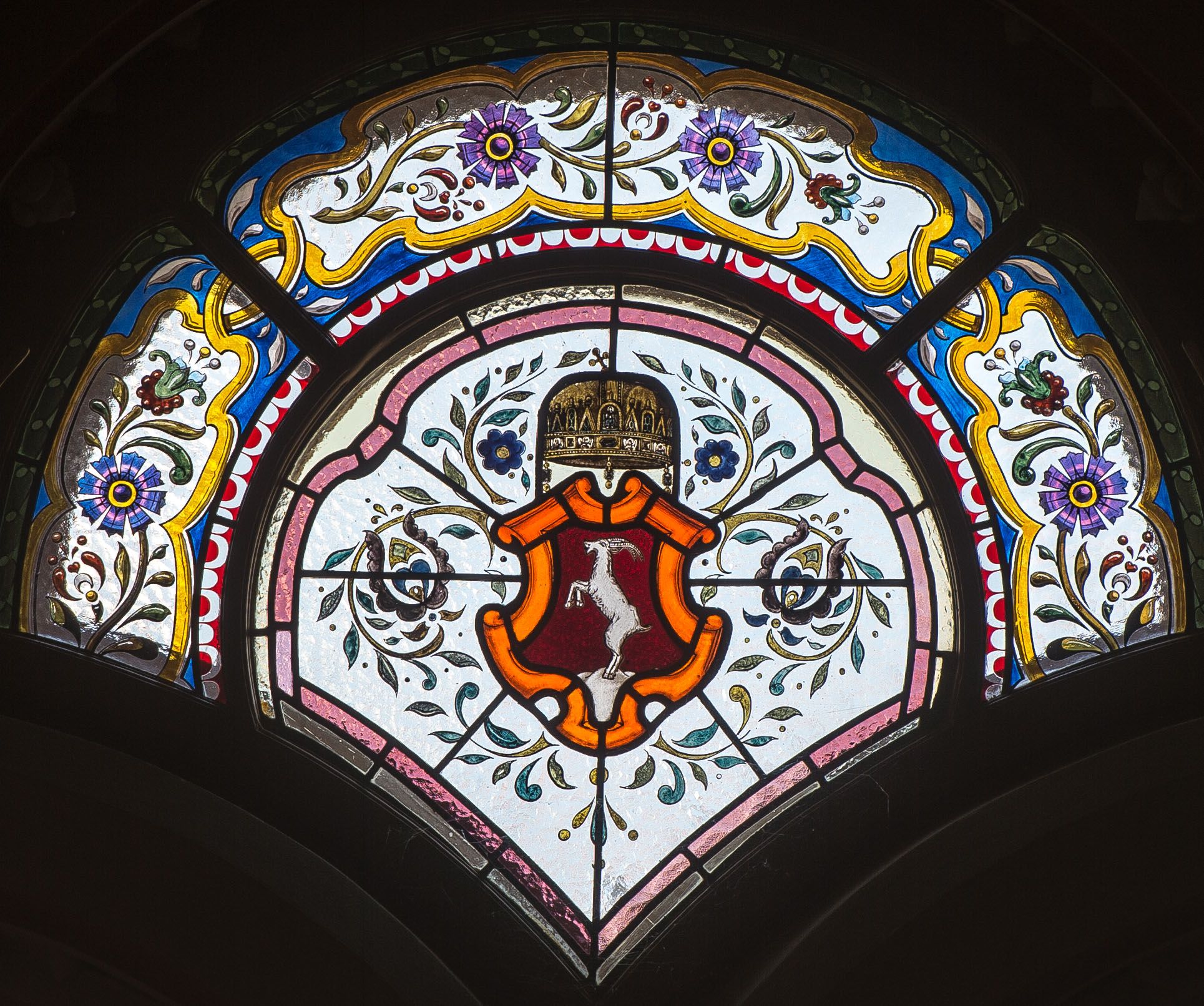
The interior was entrusted to some of Hungary’s most celebrated artists of the period. The decorative wall paintings were created by Adolf Götz, the stained-glass windows by Ede Kraztmann, while the magnificent murals in the Ceremonial Hall were painted by Bertalan Székely. They depict key moments in Hungarian history, including the Blood Oath at Pusztaszer and the Coronation of Emperor Franz Joseph as King of Hungary in 1867, alongside portraits of many of the nation’s greatest historical figures.
Today, the breathtaking Ceremonial Hall continues to serve as the venue for meetings of the city council, national and international conferences, weddings and official receptions. Every piece of its original furniture was handcrafted, adding to the hall’s exceptional artistic value.
As one of the earliest masterpieces of Lechner’s unique vision of a "modern yet distinctly Hungarian" architectural style, Kecskemét City Hall enjoys international recognition. Together with several of Lechner’s later works, it has been included on UNESCO’s Tentative List for World Heritage status, underlining its outstanding cultural and architectural significance.
The Carillon
The carillon, located in the centre of the City Hall façade, was commissioned by the city in 1983 to commemorate the 100th anniversary of the birth of Zoltán Kodály. Since then, it has delighted residents and visitors alike by playing melodies every hour throughout the day.
Carillon Schedule
7:00, 8:00, 9:00, 10:00, 11:00
Signal: "Kecskemét is kiállítja" (traditional Hungarian recruiting song)
12:05
Dominating the Main Square of the "Famous Town" (Hírös Város), the impressive building blends several architectural influences, including the French Renaissance, contemporary English architecture, the Renaissance style of Upper Hungary, and the distinctive Hungarian Art Nouveau style pioneered by Lechner.
The rich decorative details were inspired by the treasures of Hungarian folk art. The architects made extensive use of architectural ceramics, selecting only the finest materials. The colourful roof tiles, majolica ornaments and pyrogranite decorative elements were all produced by the world-famous Zsolnay Porcelain Manufactory.
The interior was entrusted to some of Hungary’s most celebrated artists of the period. The decorative wall paintings were created by Adolf Götz, the stained-glass windows by Ede Kraztmann, while the magnificent murals in the Ceremonial Hall were painted by Bertalan Székely. They depict key moments in Hungarian history, including the Blood Oath at Pusztaszer and the Coronation of Emperor Franz Joseph as King of Hungary in 1867, alongside portraits of many of the nation’s greatest historical figures.
Today, the breathtaking Ceremonial Hall continues to serve as the venue for meetings of the city council, national and international conferences, weddings and official receptions. Every piece of its original furniture was handcrafted, adding to the hall’s exceptional artistic value.
As one of the earliest masterpieces of Lechner’s unique vision of a "modern yet distinctly Hungarian" architectural style, Kecskemét City Hall enjoys international recognition. Together with several of Lechner’s later works, it has been included on UNESCO’s Tentative List for World Heritage status, underlining its outstanding cultural and architectural significance.
The Carillon
The carillon, located in the centre of the City Hall façade, was commissioned by the city in 1983 to commemorate the 100th anniversary of the birth of Zoltán Kodály. Since then, it has delighted residents and visitors alike by playing melodies every hour throughout the day.
Carillon Schedule
7:00, 8:00, 9:00, 10:00, 11:00
Signal: "Kecskemét is kiállítja" (traditional Hungarian recruiting song)
12:05
- Zoltán Kodály – Viennese Carillon
- Zoltán Kodály – Intermezzo from Háry János
- Ferenc Erkel – Palotás
1:00 pm, 2:00 pm, 3:00 pm, 4:00 pm, 5:00 pm
Signal: "Kecskemét is kiállítja" (traditional Hungarian recruiting song)
6:00 pm
Signal: "Kecskemét is kiállítja" (traditional Hungarian recruiting song)
6:00 pm
- George Frideric Handel – Water Music
- Ludwig van Beethoven – Ode to Joy
- Wolfgang Amadeus Mozart – The Magic Flute
7:00 pm
Signal: "Kecskemét is kiállítja" (traditional Hungarian recruiting song)
8:00 pm
A selection of beloved Hungarian folk songs.
Ceremonial Hall
The Ceremonial Hall can be visited by prior appointment only.
Kecskemét City Hall Visitor Centre
The Visitor Centre welcomes groups of more than 20 people by prior appointment.
Opening Hours
1 November – 30 April
1 May – 31 October
Contact
For bookings and further information, please contact us:
Városháza Turisztikai Központ Kft.
6000 Kecskemét, Kossuth tér 1
Phone: +36 76 512-242
Email: info@kecskemetvaroshaza.hu
Signal: "Kecskemét is kiállítja" (traditional Hungarian recruiting song)
8:00 pm
A selection of beloved Hungarian folk songs.
Ceremonial Hall
The Ceremonial Hall can be visited by prior appointment only.
Kecskemét City Hall Visitor Centre
The Visitor Centre welcomes groups of more than 20 people by prior appointment.
Opening Hours
1 November – 30 April
- Tuesday – Saturday: 10:00 am – 6:00 pm
- Sunday: Open by prior appointment only
1 May – 31 October
- Tuesday – Sunday: 10:00 am – 6:00 pm
Contact
For bookings and further information, please contact us:
Városháza Turisztikai Központ Kft.
6000 Kecskemét, Kossuth tér 1
Phone: +36 76 512-242
Email: info@kecskemetvaroshaza.hu